Unknown's avatar

Se non odiassi la parola resilienza…

L’altra sera a cena, un giornalista in visita a Kabul per la prima volta mi ha chiesto se in Afghanistan in questo particolare momento storico si possa immaginare che le espressioni artistiche e creative abbiano spazio e modo di sopravvivere. Dal tono della domanda era chiaro che stesse dando per scontata una risposta negativa.

Se non odiassi la parola resilienza probabilmente sarei partita da lì per rispondere.

Immaginare che non (r)esistano spazi di creatività è come pensare che si possa sopravvivere senza respirare o fare l’amore. Non c’è niente di eroico né di volontaristico, è parte necessaria della vita – ed è per questo non mi piace la parola resilienza. È come se romanticizzasse la sofferenza in nome del riscatto del senso di umanità.

Qualche giorno fa, sui social media ho visto il video di due bambini a Gaza che con una corda e un pezzo di gomma piuma hanno costruito un’altalena e si sono messi a giocare fra le macerie di una casa distrutta.

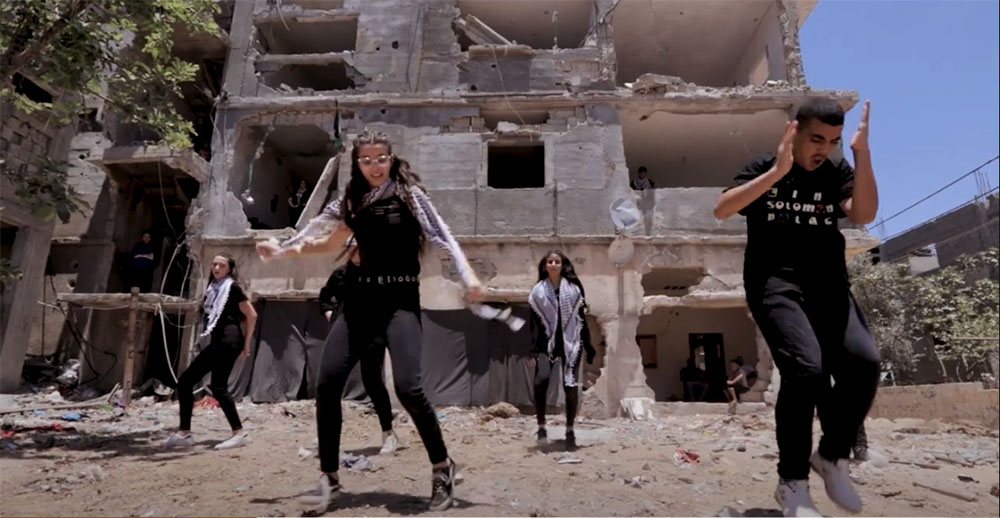
Per quanto piccolo e disperato possa essere, quel barlume di umanità resiste e sopravvive: danza, racconta poesie, inventa nuovi giochi, dipinge scenari di futuri possibili.

È difficile che la guerra l’abbia vinta sulla vita. I costi sono alti, tremendi, ma alla fine è sempre la guerra a perdere.

Unknown's avatar

If I didn’t hate the word resilience…

The other evening, over dinner, a journalist who was visiting Kabul for the first time asked me if it were possible to imagine that in this particular historical and political conjuncture creative and artistic expressions would be able to survive in Afghanistan. From the way he phased the question it was clear that he thought that the answer would be negative.

If I didn’t hate the word resilience, I would have probably started to answer from there.

Imagining that spaces of creativity wouldn’t resit or even exist is like thinking that one could survive without breathing or making love. There is nothing heroic or voluntaristic, it is just a necessary part of life. And this is the reason why I don’t like the word resilience because it romanticises suffering in exchange for the redemption of a sense of humanity.

A few days ago, I saw on social media the video of two kids from Gaza who built a swing with ropes and a piece of sponge and played among the debris of a destroyed house.

However small and desperate, that glimpse of humanity resists and survives: it dances, recites poems, invents new games, depicts scenarios for possible futures.

It is hardly ever the case that war wins over that spark of humanity. Costs are high, tremendous, but war is always the one that loses in the end.