Unknown's avatar

The Pain of Others

I wrote this bulletin a while ago, after coming back from a trip to Kashmir. I think it sums up the how and why I do what I do.

***

Srinagar_01

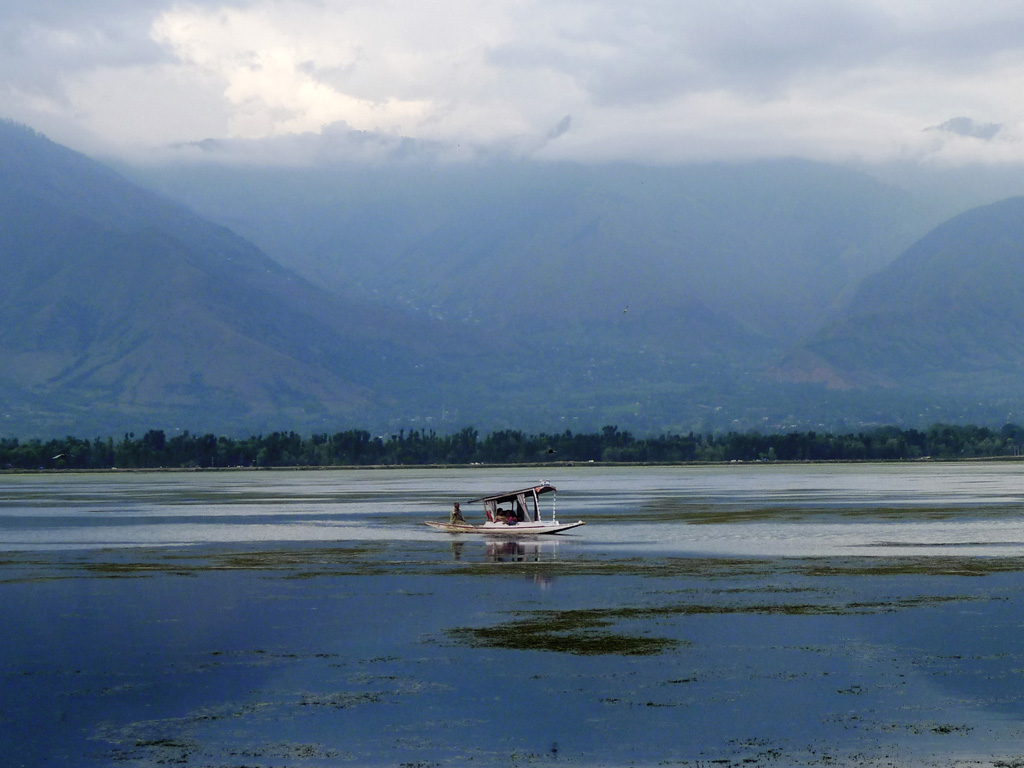
I have come back from Srinagar a week ago and the voices and details of the city are still vividly present in my memory. The Dal lake, the snow-capped mountains, the windstorm that shook my last night in the city and got mingled with the lamenting voices of women praying to fight their fear.

Srinagar is not leaving me, I would like perhaps some distance, but it has decided to stay with me. The Kashmir of the almost forgotten conflict has crept under my skin.

Agha Shahid Ali, the poet who more than anyone else gave voice to the unique mixture of beauty and brutality that seems to be the essence of the Valley, has been my guide. I have looked at his Valley through the lens of his words. And Srinagar inevitably became also for me the city of daughters: where almost every man has a police record – if not as a suspect, as a spy: it seems, in fact, that there are some 170 thousand spies for a population of 10 million people – and where women make life go on, in silence, away from indiscreet gazes and the clamours of public domain.

And so it is that also the apparent quiet that surrounds Srinagar, the renewed presence of tourists, the rhetoric of the regained stability acquire a new meaning through the verses of

Agha Shahid Ali, who quotes Tacitus: solitudinem faciunt, pacem appellant – they make a desolation and call it peace.

It is not the first time that I experience this kind of desolation. It hit me in Palestine, in refugee camps in Iraq and Tunisia, in the slums of Pakistan.

But it seems that this desolation has now come back to claim a long overdue credit.

Of years of stories that I listened to, collected and preserved in my memory. Of tales of lives and places that I visited, felt and shared through my writings.

How can I do justice to so much richness and pain?

How to give proper credit to those who tell you that they feel guilty to be happy when their country is under an oppression that seems to have no end?

How do to sail in this big sea? Where is the compass that leads the path so as to preserve a sensitive eye and yet avoid pitiful sympathy? How can one tell about the power of human dignity without risking the objectifying gaze of the anthropologist who looks for truths?

Questions multiply and answers seem to slip away.

Hitting the road is the only solution I know: the source of more questions that animate the quest for more answers.

The road and a desire for care, dedication and attention – in my words and politics – towards the people and places that have told and continue telling me these stories.

Unknown's avatar

A year ago in Srinagar – A moment of beauty

IMG_20140123_110450It started last night, around midnight, when we went out on a whim looking quite hopelessly for three cigarettes. We took the car and drove through the deserted city: the two of us, four cows and a bunch of scrawny stray dogs.

Rain mixed with snow started to fall – slowly, while the street dotted with potholes became a blurry mirror for the occasional lamp post.

Four men clad in their pheran drunk tea around the gas stove in the little kiosk by the hospital.

Without getting out of the car, we pulled the window down and asked: “Do you have cigarettes?”

One of the men shook his head without uttering a word.

We kept going, looking for another possible place.

“The snow will never stay”, I said almost thinking out loud. “The ground is too wet…”

“Let’s see”, he replied, concerned more with the lack of cigarettes than with the weather forecast.

When we woke up this morning, we were greeted by a city covered by more than twenty centimeters of soft snow.

“It is so peaceful”, I said with a smile.

Let’s hope it lasts”, he replied without adding anything else.

Meanwhile, the snow kept falling.

Fat flakes, too heavy to swirl in the wind. Flakes that fall with determination and stay in the exact place where they landed. Purposeful flakes that have no intention to stop.

In the garden, there is a twitchy tree that seems to carry with extreme patience the burden of time and of the temporary white cloak that covers it. On the streets, the ancient chinar trees resemble dervishes with tired arms lifted to the sky, made heavy by the weight of the snow and by the little birds that rest in the cold, perked at their edges.

Sounds are muffled, shape smoothened; the snow-clad landscape offers an unexpected sense of tranquillity. A silent inner comfort. And awe for this perfect yet transitory beauty.

I had not been back in Srinagar for more than a year and had started to miss it. I could not have wished for a better welcome.

Here, as much as in Kabul, these moments of beauty surprise me.

It is, however, a beauty that is as profound as it is deceiving.

Snow offers the momentary gift of relief and lightness even if it does not make tanks, coils of concertina wire and check-point barriers less frightening.

Unknown's avatar

Khaakbaad

Autumn in Kabul feels very special.

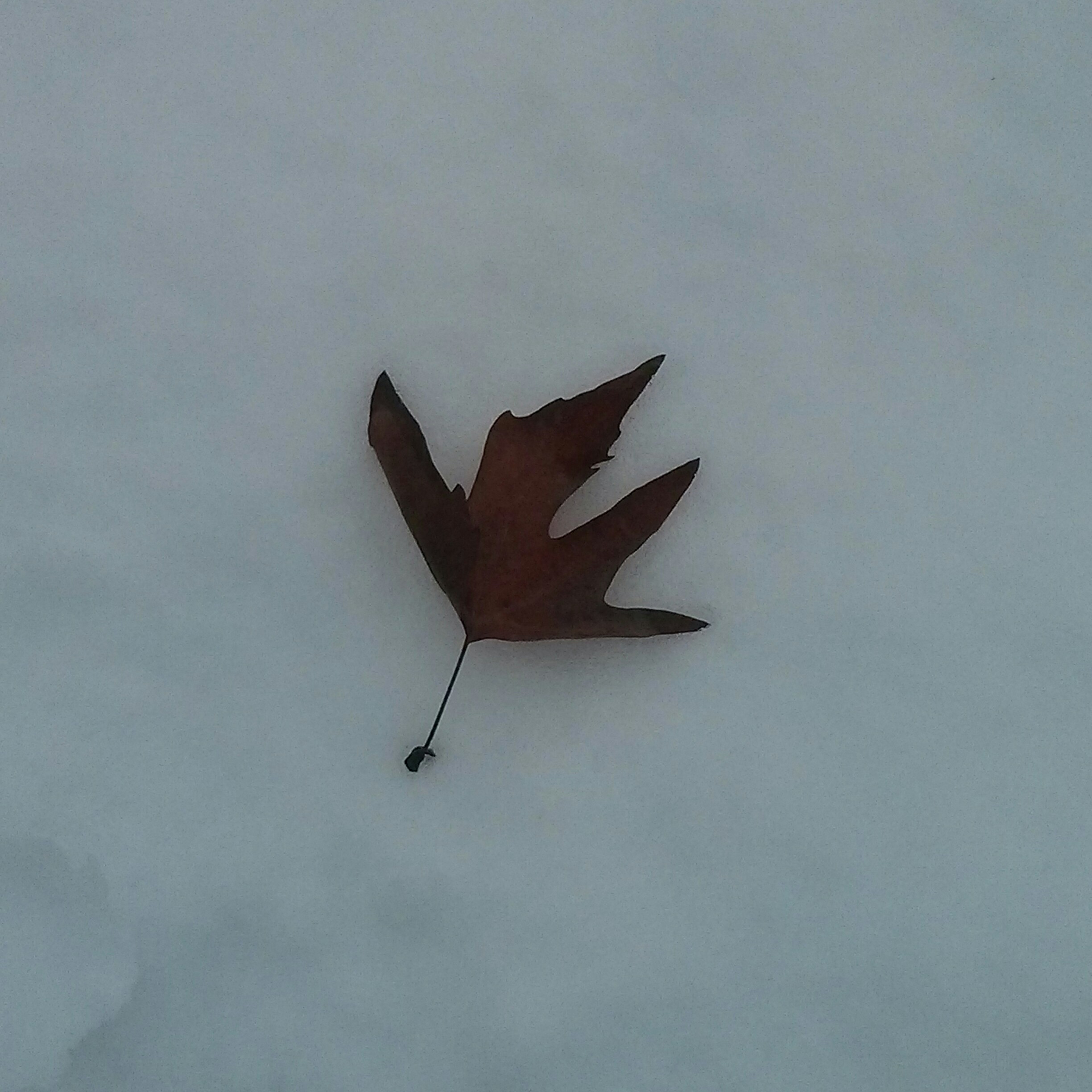
As I write I see in the garden the last blooming roses, the ones that are left are red and pink. The three quince trees are full of ripening fruits; the grapes that survived the hailstorm are waiting to be picked; and the blood-red pomegranates, which are smaller this year, are full of juice.

In this time of the year you can feel the changes day after day. The season begins quite theatrically announced by a hailstorm that lasts just about half an hour. I wonder why hailstorms only happen once a year – it is the third since I arrived, they are quick and violent and they visibly mark the passage between the seasons.

After the storm, in fact, temperature drops, days become shorter, yet I still insist in sleeping with an open window and wear no socks – well, also because I forgot my shoes in Italy, but that’s a different story…

Autumn brings with dust storms, which here have their own name: khaakbaad that literally means wind of dust. Even these storms are sudden and transient – they cover everything in a brownish coat, trigger a cough, a sneeze and then go. But they come back, once again sudden, and always unannounced.

I wonder why I always end up living in places where dust storms are an integral part of the landscape and the conversation.

It is exactly six years since I sent out my first bulletin, it was the 14th of October 2008, then like now I wrote about sand storms. Funny.

Six years ago, in that first bulletin, I wrote about my first impressions of Erbil:

Here is all mountains and desert: an incredible and breathtaking combination that keeps surprising me. Mountains rise all of a sudden, a bit blurred in the murky air. The sky is never clear: there is always a fine and powdery sand that covers everything, making air almost palpable – and my hair feeling like straw.”

Mountains, deserts and dust storms: strange recurring elements that give shape and colour to all these years of travels, unexpected symbols of my nomadic geographies of affection.