

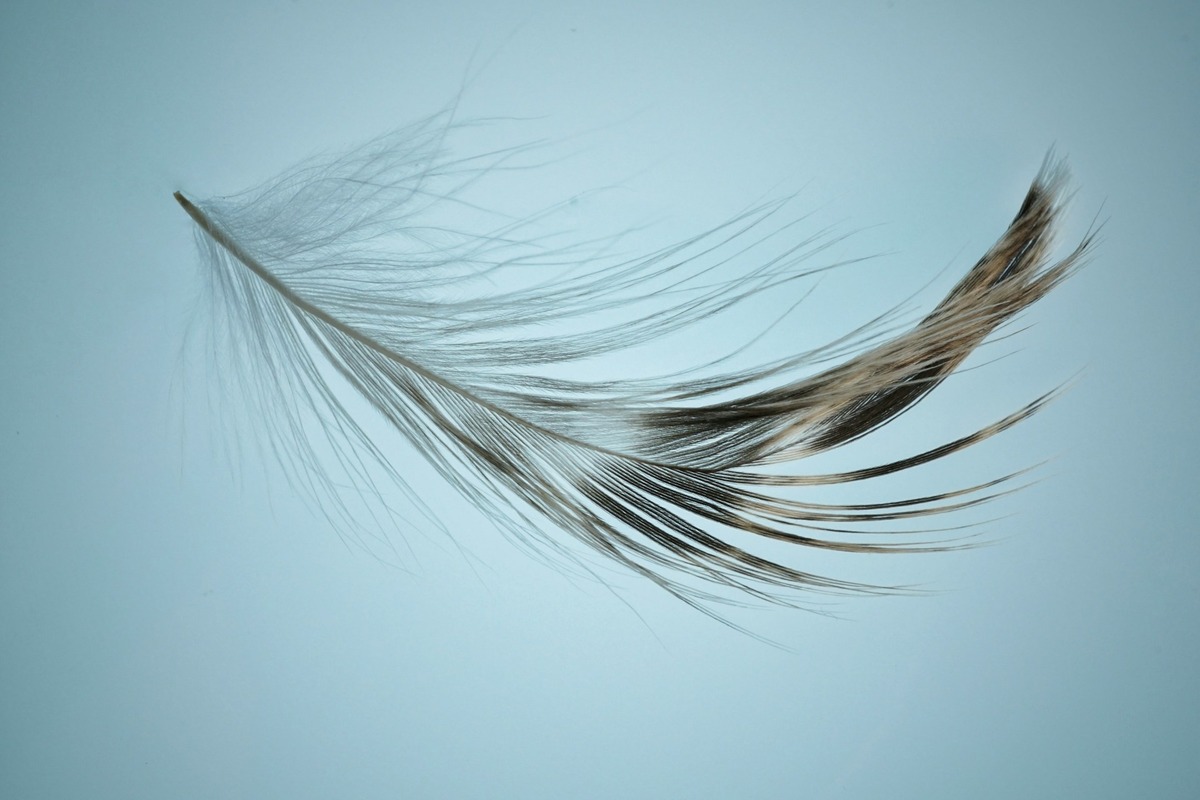
These days, the title of a book by Sergio Atzeni keeps coming back to mind. The book talks about something else, but the title resonates in my head as an invitation: We passed through the Earth lightly.
It is almost a year that we have been living through a genocide and the Museum of Palestine has an ongoing campaign titled Gaza Remains the Story. One of its poetic provocations interpellates each one of us directly by asking: How do you lighten your steps as you walk over the rubble, so that those buried under do not have to carry the burden of your weight?
These two exhortations resonate in my head as a unison, as a unique invite – personal and political, individual and collective – to rethink about the weight of my steps and consequently the direction of my choices.
The egotistical dimension of the concept of impact is connected to a weighty passage and presence that are meant to leave a mark. For good or bad, as an invite or as a threat, weight and impact are terms that are frequently used in pedagogical paths as well as in the rhetoric of civilisational, “development” or humanitarian interventions.
What if this is all wrong? What if the violence of the mark we are meant to leave would not be the necessary root for change?
What if stepping lightly – respectfully and delicately, sensibly and kindly, slowly and tenderly – would be the way to be in the world for ourselves and for others? A way that respects the Earth we walk on, that gives precedence to care rooted in the present and not aimed at a future outcome, that values reciprocity over profit.
A light step that respects those who are physically and symbolically buried under the rubbles, that teaches children kindness; a light step that helps us be in the world in a moment of inexplicable pain and violence.
 Francesca Recchia