
Unknown's avatar

Passavamo sulla terra leggeri

In questi giorni continua a tornarmi spesso in mente il titolo di un libro di Sergio Atzeni, il libro parla di altro, ma il titolo continua a risuonarmi dentro come un invito: passavamo sulla terra leggeri.

A quasi un anno dall’inizio del genocidio, c’è una campagna del Museum of Palestine intitolata Gaza Remains the Story (Gaza continua ad essere la storia). Una delle provocazioni poetiche della campagna ci interpella chiedendo: How do you lighten your steps as you walk over the rubble, so that those buried under do not have to carry the burden of your weight? (come fai ad alleggerire il passo quando cammini sulle macerie così che quelli che vi sono seppelliti sotto non debbano provare la fatica del tuo peso?)

Queste due esortazioni risuonano nella mia testa come un unisono, un invito unico – personale e politico, individuale e collettivo – a ripensare il peso dei nostri passi e di conseguenza la direzione delle nostre scelte.

La dimensione egotistica del concetto di impatto è legata ad un passaggio e ad una presenza di peso, che lascia il segno. Nel bene o nel male, come invito o minaccia, il peso e l’impatto sono termini frequenti tanto nei percorsi pedagogici che nella retorica degli interventi civilizzatori, di “sviluppo” o umanitari.

E se fosse tutto sbagliato? Se la violenza del segno che si lascia non sia la radice necessaria del cambiamento?

Se il passare leggeri – rispettosi e delicati, cauti e gentili, lenti e teneri – fosse il modo di stare al mondo per sé stessi e per gli altri? Un modo che rispetta la terra che si calpesta, che dà precedenza alla cura radicata nel presente e non finalizzata ad un esito futuro, che dà valore alla reciprocità anziché al profitto? Un passo leggero che rispetta i morti che abbiamo lasciato sepolti sotto macerie reali e simboliche, un passo leggero che insegna ai bambini la gentilezza, un passo leggero che ci aiuta a stare al mondo in un momento di dolore e violenza inauditi.
Unknown's avatar

We passed through the Earth lightly

These days, the title of a book by Sergio Atzeni keeps coming back to mind. The book talks about something else, but the title resonates in my head as an invitation: We passed through the Earth lightly.

It is almost a year that we have been living through a genocide and the Museum of Palestine has an ongoing campaign titled Gaza Remains the Story. One of its poetic provocations interpellates each one of us directly by asking: How do you lighten your steps as you walk over the rubble, so that those buried under do not have to carry the burden of your weight?

These two exhortations resonate in my head as a unison, as a unique invite – personal and political, individual and collective – to rethink about the weight of my steps and consequently the direction of my choices.

The egotistical dimension of the concept of impact is connected to a weighty passage and presence that are meant to leave a mark. For good or bad, as an invite or as a threat, weight and impact are terms that are frequently used in pedagogical paths as well as in the rhetoric of civilisational, “development” or humanitarian interventions.

What if this is all wrong? What if the violence of the mark we are meant to leave would not be the necessary root for change?

What if stepping lightly – respectfully and delicately, sensibly and kindly, slowly and tenderly – would be the way to be in the world for ourselves and for others? A way that respects the Earth we walk on, that gives precedence to care rooted in the present and not aimed at a future outcome, that values reciprocity over profit.

A light step that respects those who are physically and symbolically buried under the rubbles, that teaches children kindness; a light step that helps us be in the world in a moment of inexplicable pain and violence.

Unknown's avatar

End of summer – Fine estate

The oleander did not survive the passing of time.

I need to find a plants’ cemetery

to bury it along with evaluation mistakes.

The earth in Autumn broods

reflections and transformation.

Take time to think

so as to grow:

to adjust more than change

to consolidate what is real and important

to trim down what is superfluous

to eliminate what is damaging.

At the end of summer

the smell of wind and the tone of light

transform and take on

shades of underwood:

I absorb their warmth

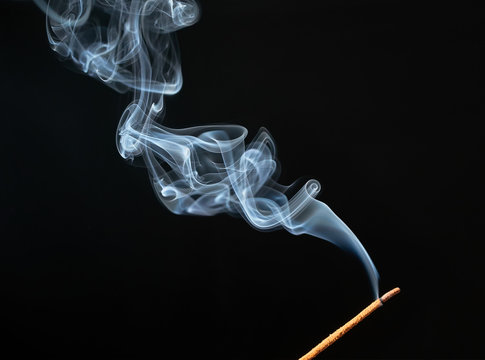
along with incense smoke.

A foot to travel

and a foot to stay.

***

L’oleandro non è sopravvissuto al passare del tempo.

Devo trovare un cimitero delle piante

dove seppellirlo insieme agli errori di valutazione.

La terra in autunno cova

riflessioni e trasformazione.

Pensare per crescere:

aggiustare più che cambiare,

consolidare il vero e l’importante,

sfrondare ciò che è superfluo,

eliminare ciò che è dannoso.

A fine estate

l’odore del vento e il tono della luce

si trasformano e si caricano

di sfumature di sottobosco:

Ne assorbo il tepore

e il fumo dell’incenso.

Un piede per partire

e un piede per restare.