Unknown's avatar

Dove trovi la luce / Where you find light

Gli ultimi giorni sono stati pieni di pensieri sulla politica, sulla speranza, sulle contraddizioni che vivono all’interno di ogni essere umano. E sulla bellezza che si nasconde sotto queste contraddizioni se mi dò la possibilità di cercarla.

Sono pensieri nati da incontri e ritrovamenti.

Il ritrovamento dei vecchi amici d’infanzia con cui ci confrontiamo sulla politica bella e quella brutta mentre ricordiamo antiche scorribande.

E l’incontro con una persona ed un gruppo di persone piene di luce, che hanno una storia di vita diversa dalla mia e che sembrano impossibili da accostare a meno che non si lasci aperto uno spiraglio di possibilità.

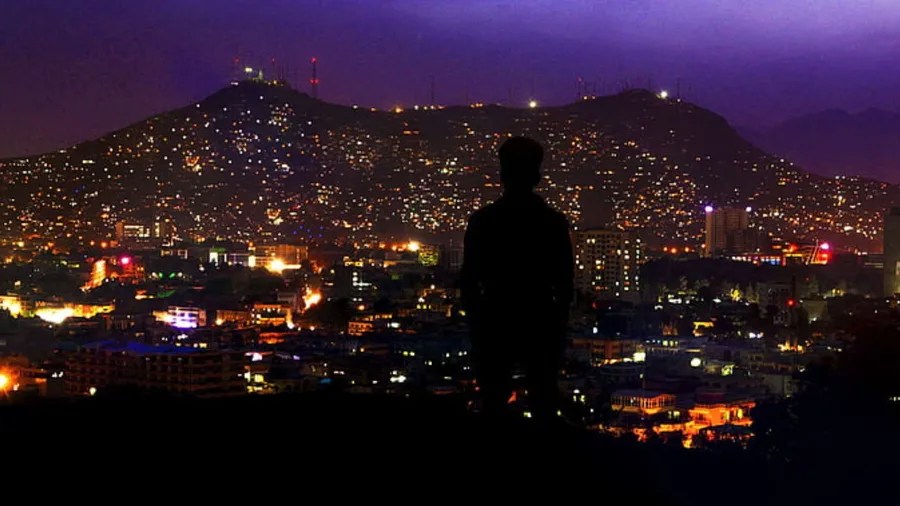
Kabul, quando sai ascoltare, insegna.

Mi insegna che la luce si trova dove non me l’aspetto, a volte dove per principio non la vorrei vedere. È una realizzazione che brucia e che segna, ma che non si lascia dimenticare.

Che la luce c’è, e bisogna riconoscerla ed abbracciarla, e lasciarsi accompagnare in giorni come questi di desolata umanità.

Che la luce c’è. È questo che ho imparato negli ultimi giorni da questa persona e da questo gruppo di persone e ho intenzione di dedicarmi a questo insegnamento.

Accogliere la luce dove la trovo. La luce che mi prende di sorpresa e che può essere coltivata insieme anche se questo insieme è un conglomerato improbabile di storie diverse.

La luce che mi disorienta ma che richiede attenzione e una risposta di adesione e cura.

Una luce che mi scalda e che, per quanto chieda di essere coltivata, finisce per essere nutrimento per i semi del cambiamento e per la possibilità di una speranza rivoluzionaria.

***

The last few days have been full of thoughts about politics, hope and the contradictions that live within every human being.

And about the beauty that can be found hidden behind these contradictions if I allow myself the chance to look for it.

These thoughts came from new encounters and a rekindling.

The rekindling with old childhood friends with whom we discuss good and ugly politics while reminiscing of old mischiefs.

And the encounter with a person and a group of people full of light. They come from a very different life journey and would have been difficult to meet unless a crack of possibility is allowed to stay open.

Kabul teaches a lot to those who can listen.

She teaches that I can find light where I don’t expect it, sometimes where, out of principle, I would prefer not to see it. It is a burning realisation, one that I will not forget.

She teaches that there is light. And that I need to recognise it and embrace it and let it guide me in these days of desolate humanity.

She teaches that there is light – this is what I learned in the last few days from this person and this group of people, and I am now committed to cultivate this lesson.

To welcome the light where I find it. The light that takes me by surprise and can be nurtured together even if this together is an improbable conglomerate of different life stories.

A disorientating light that demands attention and requests commitment and care.

A light that warms me up and that, even though it requires nurturing, ends up in turn nourishing the seeds of change and the possibility of a revolutionary hope.

Unknown's avatar

Quanto / How much?

Quanto ci vuole per arrivare dove dobbiamo andare?
Quanta pena riusciamo a sopportare e quanta ne dobbiamo ignorare?
 
Da 460 giorni il senso di umanità si è frantumato e c’è ancora chi continua a guardare dall’altra parte.
 
Stamattina ho visto il video di un maestro di musica di Gaza che accordava la chitarra col ronzio dei droni israeliani che volavano minacciosi sulla scuola. Quanto sono profondi la capacità di resistenza, la forza di ridere, il potere di sperare, l’abilità di immaginare?
 
Il ronzio dei droni è terrorizzante, è pericolo in potenza, un pericolo possibile e imminente che non serve si materializzi per fare paura. Le braccia si contraggono e le orecchie restano allerta. Quanto tempo ci vuole per risanare le crepe che il terrore genera nell’anima? Quante generazioni ci vogliono per smettere di immaginare la paura?
 
Col genocidio ridotto a statistica, di quanto abbiamo bisogno per svegliarci e realizzare? Quante vite congelate sono necessarie per smettere di far finta di niente?
 
E quanto amore e quanta solidarietà per rimanere umani?
 
***

How much does it take to go where we have to go?

How much grief can we bare and how much should we ignore?

In the past 460 days the sense of humanity has shattered and there is still someone who continues to look away.

This morning I watched a video of a music teacher from Gaza who was tuning his guitar to the buzzing of the Israeli drones that were menacingly hovering over the school. How deep are the capacity to resist, the strength to laugh, the power to hope, the ability to imagine?

The buzzing of drones is terrifying, it is looming danger, a kind of danger that is potential and imminent and does not have to materialise to be scary. Arms get contracted and ears stay alert. How much time does it take to mend the cracks that terror etches in the soul? How many generations are needed to stop living in fear?

With the genocide reduced to mere statistics, how much do we need to wake up and realise? How many frozen lives are necessary to stop going about life as if nothing?

And how much love and solidarity do we need to remain human?

Unknown's avatar

Sotto lo stesso cielo / Under the same sky

Photo credit : Lorenzo Tugnoli

Il cielo è grigio e si fa fatica a tenere gli occhi del tutto aperti; da quello spiraglio oggi si vedono nuvole nere e si sente il peso degli anniversari incombenti.

Da quello spiraglio, la polvere e il fumo per le strade di Beirut appannano la vista.

Da quello spiraglio si intravedono le macerie di Gaza e si respirano odori inimmaginabili.

Da quello spiraglio filtra la puzza della cupidigia e l’avidità di chi semina morte.

Da quello spiraglio abbaglia la forza di chi si rifiuta di soccombere, della gente di Gaza che raccoglie il poco che non ha per aiutare il Libano.

Da quello spiraglio entra un barlume di speranza sempre più flebile e sempre più affaticato.

Un barlume che vacilla ma non demorde.

Un barlume che ci chiede di credere ancora in lui.

***

The sky is grey and it is difficult to keep the eyes fully open; from the tiny open crack today one can see black clouds and feel the weight of impending anniversaries.  

From that crack, the dust and the smoke over the streets of Beirut mist up the sight.

From that crack, one catches a glimpse of the rubbles in Gaza and breathes unimaginable smells.  

From that crack filters the stench of greed and the rapacity of those who sow death.

From that crack, the strength of those who refuse to succumb is bedazzling and so are the people of Gaza who share what they don’t have to help Lebanon.

From that crack, enters a glimmer of hope – ever so feeble and ever more tired.

A glimmer that falters but does not give up.

A glimmer that demands to be believed no matter what.

Unknown's avatar

Passavamo sulla terra leggeri

In questi giorni continua a tornarmi spesso in mente il titolo di un libro di Sergio Atzeni, il libro parla di altro, ma il titolo continua a risuonarmi dentro come un invito: passavamo sulla terra leggeri.

A quasi un anno dall’inizio del genocidio, c’è una campagna del Museum of Palestine intitolata Gaza Remains the Story (Gaza continua ad essere la storia). Una delle provocazioni poetiche della campagna ci interpella chiedendo: How do you lighten your steps as you walk over the rubble, so that those buried under do not have to carry the burden of your weight? (come fai ad alleggerire il passo quando cammini sulle macerie così che quelli che vi sono seppelliti sotto non debbano provare la fatica del tuo peso?)

Queste due esortazioni risuonano nella mia testa come un unisono, un invito unico – personale e politico, individuale e collettivo – a ripensare il peso dei nostri passi e di conseguenza la direzione delle nostre scelte.

La dimensione egotistica del concetto di impatto è legata ad un passaggio e ad una presenza di peso, che lascia il segno. Nel bene o nel male, come invito o minaccia, il peso e l’impatto sono termini frequenti tanto nei percorsi pedagogici che nella retorica degli interventi civilizzatori, di “sviluppo” o umanitari.

E se fosse tutto sbagliato? Se la violenza del segno che si lascia non sia la radice necessaria del cambiamento?

Se il passare leggeri – rispettosi e delicati, cauti e gentili, lenti e teneri – fosse il modo di stare al mondo per sé stessi e per gli altri? Un modo che rispetta la terra che si calpesta, che dà precedenza alla cura radicata nel presente e non finalizzata ad un esito futuro, che dà valore alla reciprocità anziché al profitto? Un passo leggero che rispetta i morti che abbiamo lasciato sepolti sotto macerie reali e simboliche, un passo leggero che insegna ai bambini la gentilezza, un passo leggero che ci aiuta a stare al mondo in un momento di dolore e violenza inauditi.

Unknown's avatar

We passed through the Earth lightly

These days, the title of a book by Sergio Atzeni keeps coming back to mind. The book talks about something else, but the title resonates in my head as an invitation: We passed through the Earth lightly.

It is almost a year that we have been living through a genocide and the Museum of Palestine has an ongoing campaign titled Gaza Remains the Story. One of its poetic provocations interpellates each one of us directly by asking: How do you lighten your steps as you walk over the rubble, so that those buried under do not have to carry the burden of your weight?

These two exhortations resonate in my head as a unison, as a unique invite – personal and political, individual and collective – to rethink about the weight of my steps and consequently the direction of my choices.

The egotistical dimension of the concept of impact is connected to a weighty passage and presence that are meant to leave a mark. For good or bad, as an invite or as a threat, weight and impact are terms that are frequently used in pedagogical paths as well as in the rhetoric of civilisational, “development” or humanitarian interventions.

What if this is all wrong? What if the violence of the mark we are meant to leave would not be the necessary root for change?

What if stepping lightly – respectfully and delicately, sensibly and kindly, slowly and tenderly – would be the way to be in the world for ourselves and for others? A way that respects the Earth we walk on, that gives precedence to care rooted in the present and not aimed at a future outcome, that values reciprocity over profit.

A light step that respects those who are physically and symbolically buried under the rubbles, that teaches children kindness; a light step that helps us be in the world in a moment of inexplicable pain and violence.

Unknown's avatar

End of summer – Fine estate

The oleander did not survive the passing of time.

I need to find a plants’ cemetery

to bury it along with evaluation mistakes.

The earth in Autumn broods

reflections and transformation.

Take time to think

so as to grow:

to adjust more than change

to consolidate what is real and important

to trim down what is superfluous

to eliminate what is damaging.

At the end of summer

the smell of wind and the tone of light

transform and take on

shades of underwood:

I absorb their warmth

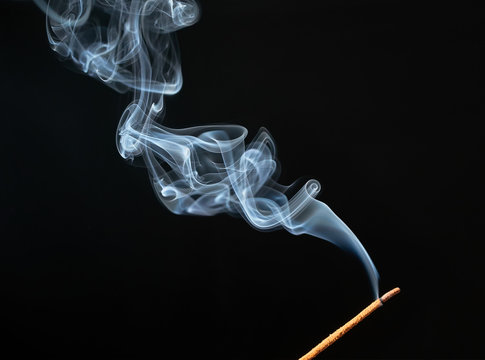
along with incense smoke.

A foot to travel

and a foot to stay.

***

L’oleandro non è sopravvissuto al passare del tempo.

Devo trovare un cimitero delle piante

dove seppellirlo insieme agli errori di valutazione.

La terra in autunno cova

riflessioni e trasformazione.

Pensare per crescere:

aggiustare più che cambiare,

consolidare il vero e l’importante,

sfrondare ciò che è superfluo,

eliminare ciò che è dannoso.

A fine estate

l’odore del vento e il tono della luce

si trasformano e si caricano

di sfumature di sottobosco:

Ne assorbo il tepore

e il fumo dell’incenso.

Un piede per partire

e un piede per restare.

Unknown's avatar

Se non odiassi la parola resilienza…

L’altra sera a cena, un giornalista in visita a Kabul per la prima volta mi ha chiesto se in Afghanistan in questo particolare momento storico si possa immaginare che le espressioni artistiche e creative abbiano spazio e modo di sopravvivere. Dal tono della domanda era chiaro che stesse dando per scontata una risposta negativa.

Se non odiassi la parola resilienza probabilmente sarei partita da lì per rispondere.

Immaginare che non (r)esistano spazi di creatività è come pensare che si possa sopravvivere senza respirare o fare l’amore. Non c’è niente di eroico né di volontaristico, è parte necessaria della vita – ed è per questo non mi piace la parola resilienza. È come se romanticizzasse la sofferenza in nome del riscatto del senso di umanità.

Qualche giorno fa, sui social media ho visto il video di due bambini a Gaza che con una corda e un pezzo di gomma piuma hanno costruito un’altalena e si sono messi a giocare fra le macerie di una casa distrutta.

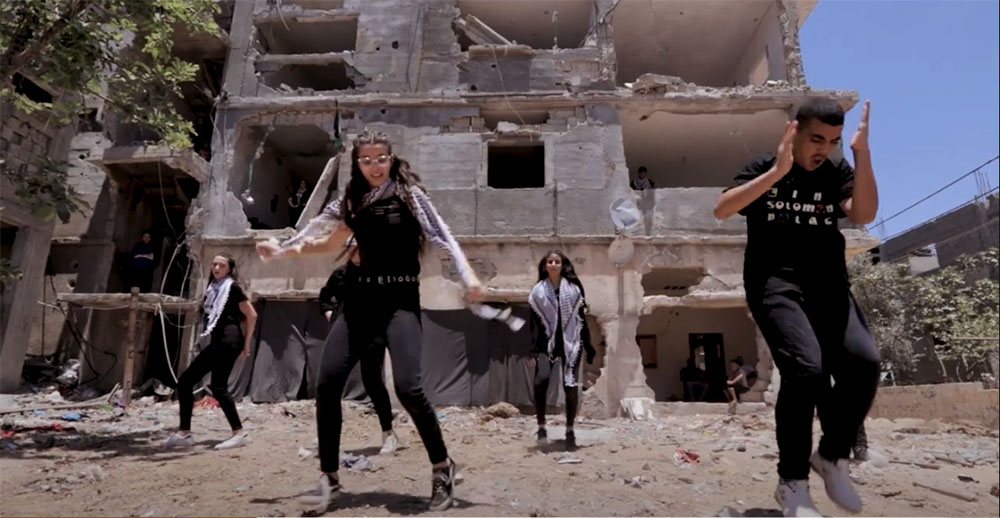
Per quanto piccolo e disperato possa essere, quel barlume di umanità resiste e sopravvive: danza, racconta poesie, inventa nuovi giochi, dipinge scenari di futuri possibili.

È difficile che la guerra l’abbia vinta sulla vita. I costi sono alti, tremendi, ma alla fine è sempre la guerra a perdere.

Unknown's avatar

If I didn’t hate the word resilience…

The other evening, over dinner, a journalist who was visiting Kabul for the first time asked me if it were possible to imagine that in this particular historical and political conjuncture creative and artistic expressions would be able to survive in Afghanistan. From the way he phased the question it was clear that he thought that the answer would be negative.

If I didn’t hate the word resilience, I would have probably started to answer from there.

Imagining that spaces of creativity wouldn’t resit or even exist is like thinking that one could survive without breathing or making love. There is nothing heroic or voluntaristic, it is just a necessary part of life. And this is the reason why I don’t like the word resilience because it romanticises suffering in exchange for the redemption of a sense of humanity.

A few days ago, I saw on social media the video of two kids from Gaza who built a swing with ropes and a piece of sponge and played among the debris of a destroyed house.

However small and desperate, that glimpse of humanity resists and survives: it dances, recites poems, invents new games, depicts scenarios for possible futures.

It is hardly ever the case that war wins over that spark of humanity. Costs are high, tremendous, but war is always the one that loses in the end.

Unknown's avatar

Prima e dopo

Qualche settimana fa, una persona che conosco da anni mi ha scritto per dirmi che dagli ultimi bollettini le era sembrato che fossi molto disturbata dalla situazione a Gaza. L’osservazione mi ha colto di sorpresa e la mia immediata reazione è stata di irrigidimento, ovviamente sono molto disturbata – lo sono io e lo sono molte delle persone a me care, come si fa a non essere profondamente disturbati e continuare ad andare avanti come se niente fosse?

Quell’osservazione continua a farmi pensare.

Sono passate 28 settimane dal 7 ottobre e questo periodo marca per me un chiaro prima e dopo. Una frase di un film uscito di recente mi ha molto colpito e mi ronza nella testa: “Cosa ha cambiato in me Gaza? Il mio intero essere.”

C’è un facile rischio di retorica, ma credo che questo sia vero anche per me: più nel senso dello svelamento che in termini di cambiamento. La lotta per l’autodeterminazione della Palestina è stata parte integrante della mia formazione politica ed è un elemento fondamentale del mio stare al mondo da più di trent’anni. In questo senso, quindi, c’è poco da cambiare.

Cosa dunque ha cambiato in me Gaza?

Mi ha messo di fronte a me stessa in modi inaspettati.

Non prendere posizione non è un privilegio a cui ho diritto. Non correre rischi per le mie idee politiche non è un privilegio a cui ho diritto. Non ho il diritto di girare lo sguardo e far finta di non vedere.

Per chi come me scrive per mestiere, c’è il dovere deontologico di parole chiare e precise. Un assassino è un assassino; un genocidio è un genocidio; una strage di innocenti non è un incidente, ma un massacro; un bambino non muore di fame per caso, ma è ucciso da un preciso disegno strategico. 

Il silenzio e il quieto vivere sono forme di complicità che non voglio più avallarle. Non sono scelte che condivido e che rispetto e quindi non voglio far finta che siamo tutti amici come prima.

In un momento di lutto così accecante, c’è però una comunità che si sta ritrovando. Una comunità di maglie strette e maglie larghe, di gente lontana e vicina, conosciuta e sconosciuta che vive chiaramente un prima e un dopo, che si riconosce in questo cambiamento irrevocabile e si sostiene a vicenda alla luce di questa cesura.

Una delle immagini più terribili che ho visto in queste 28 settimane e che non mi abbandonerà mai più è quella di un seme di dattero che ha germogliato fra le dita di una persona sepolta sotto le macerie. Un orrore e un miracolo allo stesso tempo. Una metafora devastante che non ha bisogno di spiegazioni. Uno spiraglio e forse un auspicio sulla forza indomabile della resistenza e della solidarietà.

Unknown's avatar

Before and after

A few weeks ago, a person I have known for many years wrote me to say that reading my bulletins they felt that I was quite disturbed by the situation in Gaza. The message caught me by surprise and my first response was to react piquedly – of course I am disturbed and so are many of the people who are close to my heart; how can one possibly not be disturbed and go about life as if nothing in a moment like this?

The message stayed in my mind and kept me thinking.

It has been 28 weeks since 7 October and this period marks for me a clear before and after. A line I heard from a recently released film buzzes in my head: “What has Gaza changed for me? My entire being.”

There is an easy risk of sounding rhetorical here, yet I think that this is true for me as well: more in the sense of an unveiling than in terms of actual change, Gaza has changed my entire being. The struggle for Palestinian self-determination has been an integral part of my political formation and has been a fundamental element of my being in the world for over thirty years. In this respect, therefore, there is little change.

So then, what has Gaza changed in me?

Gaza confronted me with myself in unexpected ways.

Not to take a stance is a privilege I have no right to. Not running risks to stand for my ideas is a privilege I have no right to. I have no right to look away and pretend I don’t see what’s happening.

As someone who writes for a living, I have the ethical duty to use clear and precise words. An assassin is an assassin; a genocide is a genocide; a massacre of innocents is a massacre and not an incident; a child does not starve to death randomly, it is killed by a precise strategic machination.  

Silence and indifference are forms of complicity that I no longer want to endorse. They are choices I have no respect for, so I no longer intend to pretend that we are all friends as before.

In a moment of such blinding grief, however, there is a community that is taking shape. A community that is both tight and wide, made of people who are nearby and far away, of people known and unknown, who now perceive a clear demarcation of before and after, who identify with this irrevocable change and support each other in light of such chasm.

One for the most shattering images I have seen in these past 28 weeks – I believe it will stay with me forever – is that of a date seed that is sprouting between the fingers of a person who is buried under the rubbles. It is both a horror and a miracle, a devastating metaphor that needs no explanation. It is a glimmer and an omen of the indomitable strength of resistance and solidarity.