Unknown's avatar

Who cleans the city?

90498189_034190772
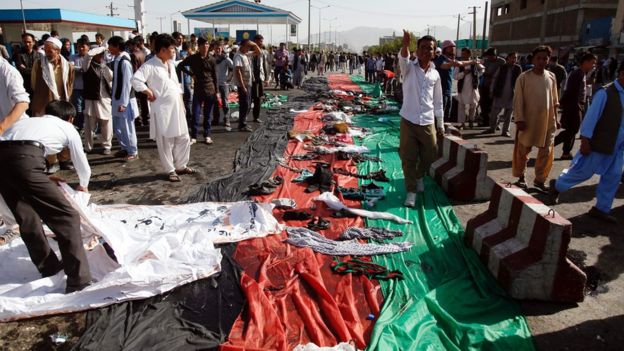
Photo EPA

After the terrible attack that shook Kabul, I wrote about those who clean the city.

Auctorly hosted my piece.

The day after is always difficult.

Yesterday’s suicide attack has been the worst in Kabul since 2001–the victims were all civilians, all young: a terrible blast for the already fragile heart of the city.

Read the full article here.

Unknown's avatar

La guerra dei linguaggi


«Once Upon A Time» di Shamsia Hassani

L’immagine dell’Afghanistan propagandata dai media è costellata di luoghi comuni, anche quando l’argomento riguarda la produzione culturale. I finanziamenti stranieri rinforzano la visione Kabul-centrica, considerano solo le élite che parlano inglese e non lasciano margine alla creatività spontanea

Un mio articolo sull’impatto dell’economia di guerra sulla produzione culturale in Afghanistan su Il Manifesto.

Qui la versione integrale.

Unknown's avatar

Imparare a leggere

Studio il Dari ormai da un anno, sono arrivata ad un livello tale per cui posso chiedere di cambiare la dinamo del generatore, verificare che l’idraulico abbia riparato la fogna per bene e conversare con i tassisti – spesso di Dio e di questioni religiose a cui difficilmente riesco a dare risposta.

Sin dall’inizio ho imparato l’alfabeto, ma è solo da una settimana che ho cominciato a fare esercizi di lettura ad alta voce.

Mi sono sentita di nuovo una ragazzina e mi è tornata in mente Suor Fidalma, la suora vecchissima che mi dava ripetizione di lettura. Da piccina, mi ci è voluto tantissimo tempo per imparare a leggere. Il mio primo oculista aveva sbagliato la prescrizione delle lenti e nonostante avessi dei giganteschi occhiali rosa confetto, fondamentalmente non vedevo un granché e le lettere sulla pagina si confondevano.

Strano pensare come il mio primo rapporto attivo con i libri sia stato caratterizzato dalla fatica e dalla frustrazione, ed è bello guardarsi indietro e vedere quante cose siano cambiate.

Imparare a leggere da adulta si sta rivelando un’esperienza fondamentale nella mia formazione personale. E’ un confronto con me stessa e con i miei limiti: c’è poco da bluffare e non ci sono sconti. Sillabare ad alta voce è imbarazzante – ho l’impressione di arrossire ogni volta che leggo una parola – fare errori banali è frustrante, ma arrivare in fondo alla prima riga, stanchissima dopo cinque parole, è un’esperienza assolutamente indimenticabile. Sayed, il mio fantastico maestro, ha trovato la giusta misura: mi prende in giro e mi incoraggia, mi aiuta a ridere delle mie difficoltà e a non prendermi troppo sul serio.

Si dà così tanto per scontato, su noi stessi sulle nostre capacità e su quello che ci sembra ci sia dovuto. Ricominciare da zero, mi sta ricordando l’importanza dell’umiltà, la soddisfazione dei piccoli passi e la gioia genuina dei traguardi semplici.

Unknown's avatar

A Contemporary Arts Library in Kabul?

As some of you may already know, in the past year I have helped Berang Arts, a collective of young artists, to set up a small, independent Contemporary Arts Academy in Kabul.

We’ve now decided to move one step further and we want to try and set up an art library and specialised resource centre that artists can access and use for their research. This is a non-NGO funded initiative, it springs out of our time, enthusiasm and commitment.

As there is no international donor to fund this, we are looking for friends and patrons who are willing to support us – by donating a book, getting your friends to donate books or, for those who come and go from Afghanistan, make some space in their suitcase to help bring books in.

We are looking for books on contemporary arts and related subjects in English and Persian. Any contribution will be very very welcome!

Please get in touch if you want to know more [ kiccovich (@) gmail (.) com] and feel free to pass my email on to those who may be interested in contributing.

Thanks for your support!


Unknown's avatar

The Little Book of Kabul in London

kiccovich's avatarThe Little Book of Kabul

SOAS Afghan Society will be joined by Francesca Recchia and Lorenzo Tugnoli, the authors of The Little Book of Kabul.

The Little Book of Kabul is a book project that depicts a portrait of Kabul through the daily activities of a number of artists who live in the city. With an evocative tone, it focuses on the tiny details that escape grand narratives. Colours and gestures, smells and accents. In 20 short stories and 47 black and white photographs, The Little Book of Kabul dives into the lives of the three main characters exploring what it means to be an artist in Kabul and hence unveiling the beauty and brutality of the city.

Come join us!

Date & Time: Friday 28th November, 6-8pm
Room: G3 SOAS, University of London, London WC1H 0XG
Nearest tube: Russell Square

This event is free and open to all.

View original post

Unknown's avatar

The Little Book of Kabul on Fair Observer

kiccovich's avatarThe Little Book of Kabul

Fair Observer featured our book:

The Little Book of Kabul is a book project that depicts a portrait of Kabul through the daily activities of a number of artists who live in the city. With an evocative tone, it focuses on the tiny details that escape grand narratives. Colors and gestures, smells and accents. In 20 short stories and 47 black and white photographs, The Little Book of Kabul dives into the lives of the three main characters exploring what it means to be an artist in Kabul and hence unveiling the beauty and brutality of the city.

Read more here.

View original post

Unknown's avatar

The Little Book of Kabul – Launch in Kabul

kiccovich's avatarThe Little Book of Kabul

The Little Book of Kabul is now out in the world.It has reached many houses and hopefully offered a glimpse of unexpected beauty.

In the next few weeks, Lorenzo and I will be travelling to present the book and tell the story of its making.

This last phase of our journey – obviously – began in Kabul.

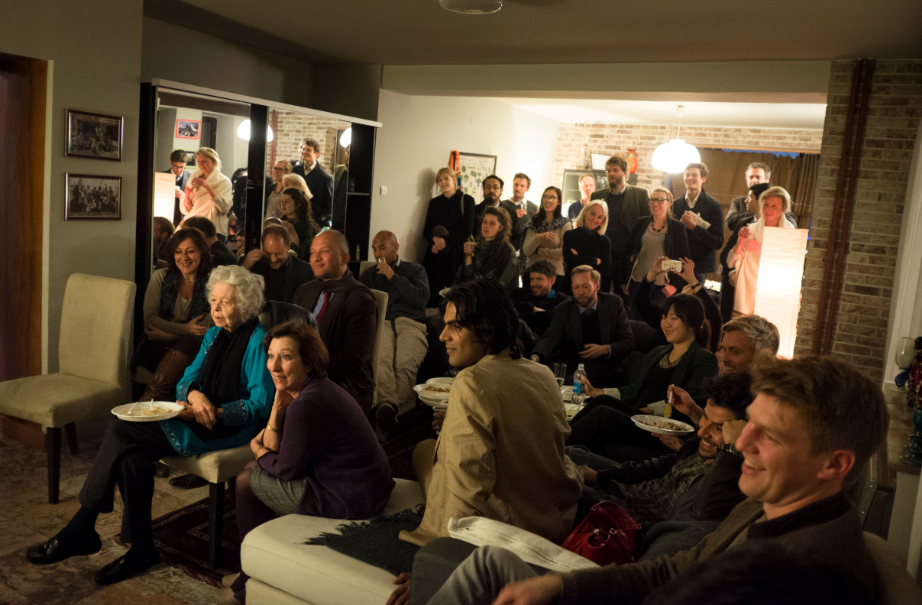
We had the great privilege of being hosted by Margherita Stancati and Nathan Hodge at the Wall Street Journal for an evening of discussion and celebration.

Screen Shot 2014-11-07 at 2.35.09 PM

*Photo Credit: Joel van Houdt *

It was beautiful to share some of the backstage stories with old friends who have followed our adventure since its inception and new friends who now walk the same streets we recount in the book.

The incredible amount of affection that surrounds The Little Book of Kabul never ceases to surprise us and we are deeply grateful for that.

View original post

Unknown's avatar

The Little Book of Kabul is on TIME Lightbox

Photo credit Lorenzo Tugnoli

Photo credit Lorenzo Tugnoli

Lorenzo and I met Mikko Takkunen at Visa pour l’Image in Perpignan.

It was a beautiful encounter, Mikko gave us and our book time and attention. We were happy to have met someone with a genuine passion for photography and an unbiased curiosity.

We are grateful that from that meeting TIME Lightbox decided to feature The Little Book of Kabul.

You can read the review: Follow the Everyday Lives of Artists in Kabul here.

Unknown's avatar

Khaakbaad

L’autunno a Kabul è una stagione preziosa. Mentre scrivo, vedo nel giardino le ultime rose: quelle ancora fiorite sono rosa e rosse; i tre alberi di mele cotogne carichi di frutti che stanno pian piano maturando; la pergola con i pochi grappoli d’uva che hanno resistito alla grandinata dell’altro giorno; e le macchie rosso sangue dei frutti del melograno, piccoli quest’anno, ma pieni di succo.

La percezione del cambiamento è quotidiana, annunciata in modo teatrale da mezzora di grandine. Chissà perché solo una all’anno, la terza da quando sono qui, veloce e violenta segna il passaggio da una stagione all’altra.

La temperatura si abbassa, le giornate si accorciano, mi ostino a dormire ancora con la finestra aperta e ad uscire senza calzini – anche perché mi sono dimenticata le scarpe in Italia, ma questa è un’altra storia.

Con l’autunno arrivano anche le tempeste di sabbia, che qui hanno anche un nome tutto loro, khaakbaad, che letteralmente significa vento di polvere. Anche queste improvvise e passeggere – coprono tutto di una coltre marroncina, una tosse, uno starnuto e vanno via. Poi tornano, ma il passaggio è sempre breve e mai annunciato.

Mi domando perché finisco sempre per andare a vivere in paesi in cui le tempeste di sabbia sono una parte integrante del paesaggio e della conversazione.

Sono passati esattamente sei anni dal primo bollettino che ho spedito, era il 14 ottobre del 2008, e allora come adesso scrivo di tempeste di sabbia. Buffo.

Sei anni fa, raccontavo così le mie prime impressioni di Erbil:

Montagne e deserto… una combinazione incredibile e mozzafiato che non smette mai di sorprendere: le montagne si alzano all’improvviso sempre un po’ inafferrabili attraverso la foschia. L’aria infatti non è mai limpida; una sabbia del colore e della finezza della cipria copre ogni cosa e rende l’aria quasi palpabile (e i miei capelli della consistenza della paglia…)”

Montagne, deserto e tempeste di sabbia: strani elementi ricorrenti che danno forma e colore a tutti questi anni di viaggi, simboli inaspettati delle mie nomadi geografie dell’affetto.