The other evening, over dinner, a journalist who was visiting Kabul for the first time asked me if it were possible to imagine that in this particular historical and political conjuncture creative and artistic expressions would be able to survive in Afghanistan. From the way he phased the question it was clear that he thought that the answer would be negative.
If I didn’t hate the word resilience, I would have probably started to answer from there.
Imagining that spaces of creativity wouldn’t resit or even exist is like thinking that one could survive without breathing or making love. There is nothing heroic or voluntaristic, it is just a necessary part of life. And this is the reason why I don’t like the word resilience because it romanticises suffering in exchange for the redemption of a sense of humanity.
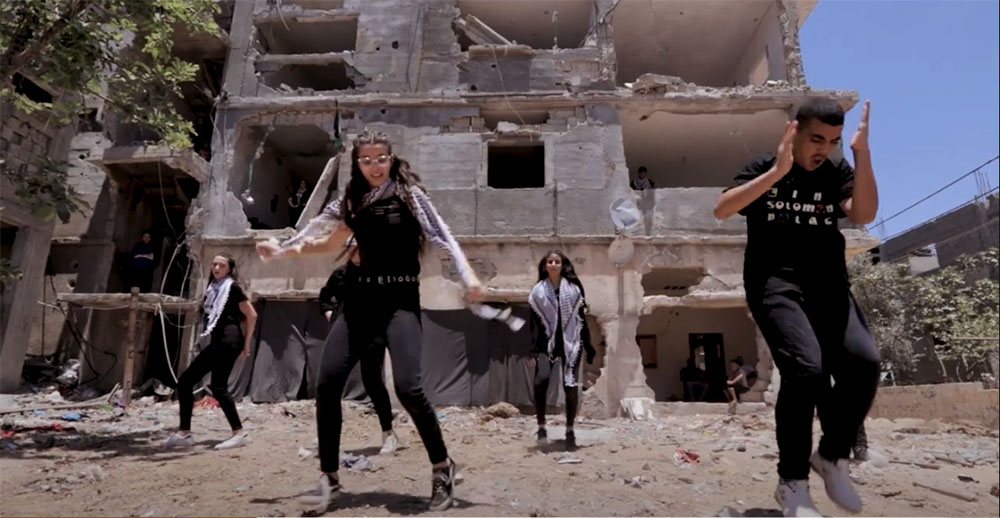
A few days ago, I saw on social media the video of two kids from Gaza who built a swing with ropes and a piece of sponge and played among the debris of a destroyed house.
However small and desperate, that glimpse of humanity resists and survives: it dances, recites poems, invents new games, depicts scenarios for possible futures.
It is hardly ever the case that war wins over that spark of humanity. Costs are high, tremendous, but war is always the one that loses in the end.
Qualche settimana fa, una persona che conosco da anni mi ha scritto per dirmi che dagli ultimi bollettini le era sembrato che fossi molto disturbata dalla situazione a Gaza. L’osservazione mi ha colto di sorpresa e la mia immediata reazione è stata di irrigidimento, ovviamente sono molto disturbata – lo sono io e lo sono molte delle persone a me care, come si fa a non essere profondamente disturbati e continuare ad andare avanti come se niente fosse?
Quell’osservazione continua a farmi pensare.
Sono passate 28 settimane dal 7 ottobre e questo periodo marca per me un chiaro prima e dopo. Una frase di un film uscito di recente mi ha molto colpito e mi ronza nella testa: “Cosa ha cambiato in me Gaza? Il mio intero essere.”
C’è un facile rischio di retorica, ma credo che questo sia vero anche per me: più nel senso dello svelamento che in termini di cambiamento. La lotta per l’autodeterminazione della Palestina è stata parte integrante della mia formazione politica ed è un elemento fondamentale del mio stare al mondo da più di trent’anni. In questo senso, quindi, c’è poco da cambiare.
Cosa dunque ha cambiato in me Gaza?
Mi ha messo di fronte a me stessa in modi inaspettati.
Non prendere posizione non è un privilegio a cui ho diritto. Non correre rischi per le mie idee politiche non è un privilegio a cui ho diritto. Non ho il diritto di girare lo sguardo e far finta di non vedere.
Per chi come me scrive per mestiere, c’è il dovere deontologico di parole chiare e precise. Un assassino è un assassino; un genocidio è un genocidio; una strage di innocenti non è un incidente, ma un massacro; un bambino non muore di fame per caso, ma è ucciso da un preciso disegno strategico.
Il silenzio e il quieto vivere sono forme di complicità che non voglio più avallarle. Non sono scelte che condivido e che rispetto e quindi non voglio far finta che siamo tutti amici come prima.
In un momento di lutto così accecante, c’è però una comunità che si sta ritrovando. Una comunità di maglie strette e maglie larghe, di gente lontana e vicina, conosciuta e sconosciuta che vive chiaramente un prima e un dopo, che si riconosce in questo cambiamento irrevocabile e si sostiene a vicenda alla luce di questa cesura.
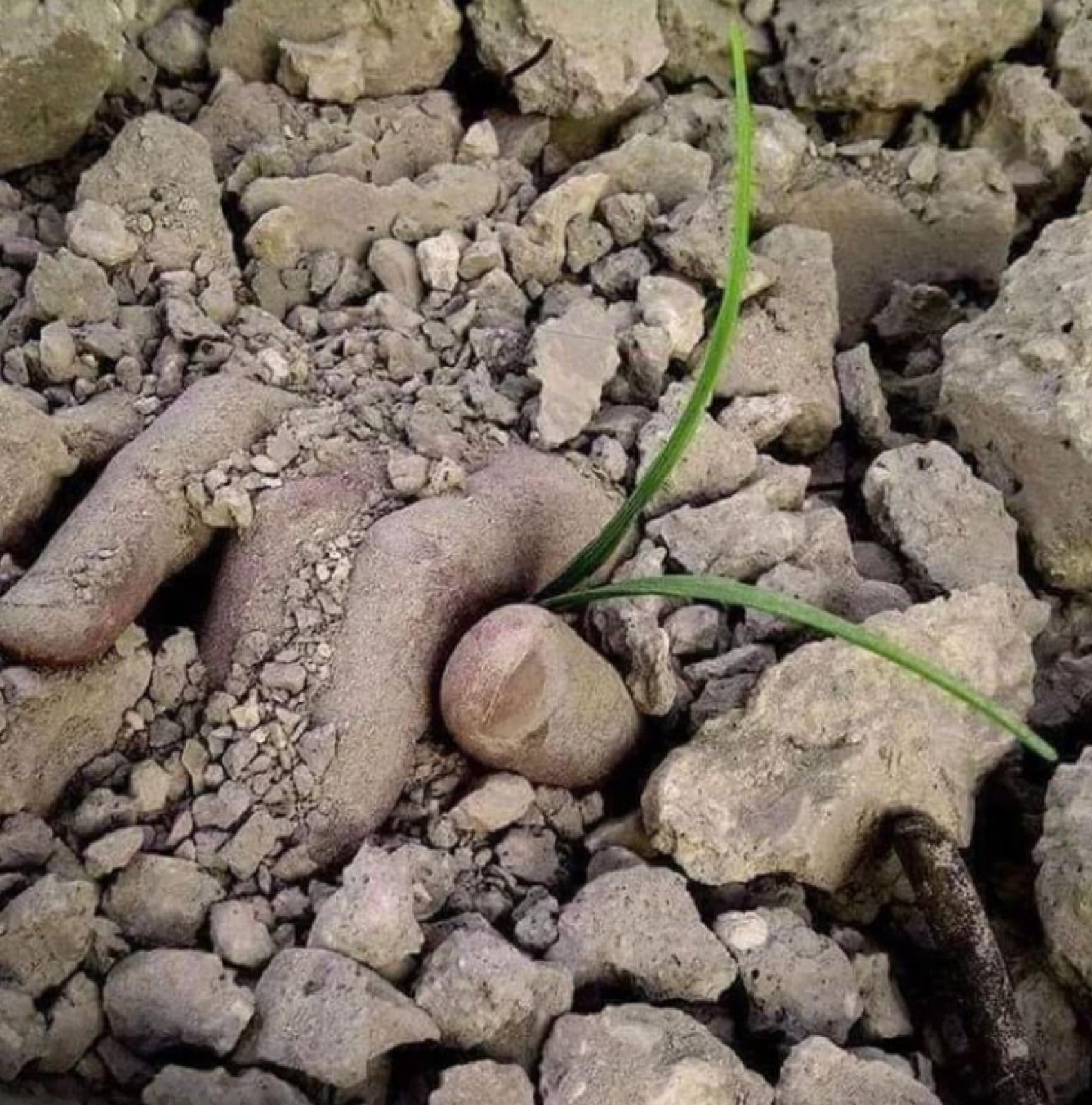
Una delle immagini più terribili che ho visto in queste 28 settimane e che non mi abbandonerà mai più è quella di un seme di dattero che ha germogliato fra le dita di una persona sepolta sotto le macerie. Un orrore e un miracolo allo stesso tempo. Una metafora devastante che non ha bisogno di spiegazioni. Uno spiraglio e forse un auspicio sulla forza indomabile della resistenza e della solidarietà.
A few weeks ago, a person I have known for many years wrote me to say that reading my bulletins they felt that I was quite disturbed by the situation in Gaza. The message caught me by surprise and my first response was to react piquedly – of course I am disturbed and so are many of the people who are close to my heart; how can one possibly not be disturbed and go about life as if nothing in a moment like this?
The message stayed in my mind and kept me thinking.
It has been 28 weeks since 7 October and this period marks for me a clear before and after. A line I heard from a recently released film buzzes in my head: “What has Gaza changed for me? My entire being.”
There is an easy risk of sounding rhetorical here, yet I think that this is true for me as well: more in the sense of an unveiling than in terms of actual change, Gaza has changed my entire being. The struggle for Palestinian self-determination has been an integral part of my political formation and has been a fundamental element of my being in the world for over thirty years. In this respect, therefore, there is little change.
So then, what has Gaza changed in me?
Gaza confronted me with myself in unexpected ways.
Not to take a stance is a privilege I have no right to. Not running risks to stand for my ideas is a privilege I have no right to. I have no right to look away and pretend I don’t see what’s happening.
As someone who writes for a living, I have the ethical duty to use clear and precise words. An assassin is an assassin; a genocide is a genocide; a massacre of innocents is a massacre and not an incident; a child does not starve to death randomly, it is killed by a precise strategic machination.
Silence and indifference are forms of complicity that I no longer want to endorse. They are choices I have no respect for, so I no longer intend to pretend that we are all friends as before.
In a moment of such blinding grief, however, there is a community that is taking shape. A community that is both tight and wide, made of people who are nearby and far away, of people known and unknown, who now perceive a clear demarcation of before and after, who identify with this irrevocable change and support each other in light of such chasm.
One for the most shattering images I have seen in these past 28 weeks – I believe it will stay with me forever – is that of a date seed that is sprouting between the fingers of a person who is buried under the rubbles. It is both a horror and a miracle, a devastating metaphor that needs no explanation. It is a glimmer and an omen of the indomitable strength of resistance and solidarity.
Guardare a Gaza da Kabul amplifica tutto, compreso il senso di impotenza.
È dal 7 ottobre che non passa giorno senza che si creda di aver visto il peggio e invece, con ogni giorno che passa, la misura dell’orrore si estende e lacera quel poco che resta dei brandelli di milioni di cuori infranti.
Quando i soldati israeliani hanno postato i selfie con la biancheria intima saccheggiata dai cassetti delle case palestinesi appena distrutte pensavo avessimo toccato il fondo. Poi sono arrivate le foto dei soldati che posavano allegri rannicchiati nelle culle dei bambini appena uccisi. E poi i rave parties dei coloni israeliani che ballavano per bloccare l’accesso ai camion che trasportavano gli aiuti umanitari. E poi i droni che sparavano sui bambini che facevano volare gli aquiloni al confine con l’Egitto. E poi le statistiche agghiaccianti dei bambini che muoiono di fame quotidianamente.
Pensavo non potesse esserci peggio. Pensavo che ormai avessimo in bocca il sapore dell’apocalisse.
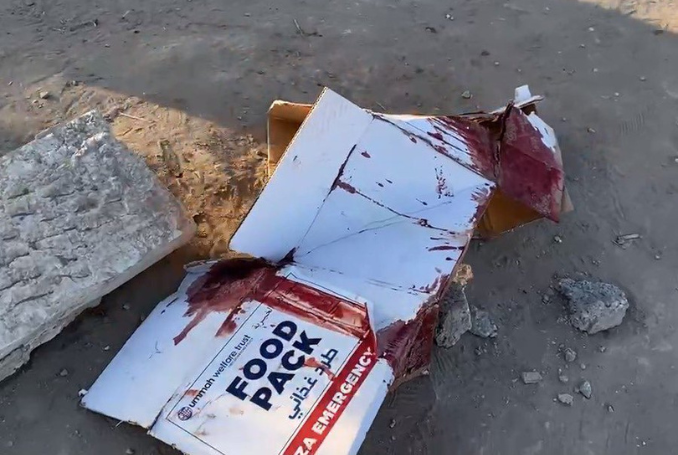
E poi è arrivato quello che passerà alla storia come il massacro del pane. Gli israeliani hanno definito uno spiacevole incidente la strage appena compiuta dall’esercito che ha sparato sulla folla che cercava di prendere i pochi aiuti umanitari a cui Israele consente l’accesso. Il bilancio (provvisorio) dell’“incidente” è di 104 morti e 700 feriti.
Fatico a trovare il senso e fatico a completare il respiro, c’è un senso di fallimento che mi si strozza in gola. Qualche giorno fa in un’intervista hanno chiesto a Humza Yousaf, il primo ministro scozzese, quale fosse il suo messaggio per gli abitanti di Gaza. E la sua risposta, con voce spezzata, è stata: Scusateci, l’umanità ha fallito.
E allora, scusa Gaza per tutto quello che non abbiamo fatto e continuiamo a non fare. Peggio di così forse non si può, non ci resta che affrontare il dolore del fallimento e quindi forse non ci resta che fare un po’ meglio: continuare ad indignaci e a denunciare perché questo orrore non diventi la norma.
Perché non è vero che dobbiamo rassegnarci a vivere in un mondo che non ci piace.
To look at Gaza from Kabul amplifies everything, including the sense of powerlessness.
It is since 7 October that every day I think we have seen the worst and yet every new day brings a new measure of horror that shreds whatever is left of our broken hearts.
When Israeli soldiers posted their selfies with female lingerie looted from the drawers of the Palestinian homes that they just destroyed, I thought we had hit the rock bottom. And then there were photos of Israeli soldiers posing all smiles cradled in the cribs of the Palestinian children they just killed. And then rave parties to block the trucks carrying humanitarian aid. And then drones shot at children flying kites on the border with Egypt. And then the daily updates on the number of babies and children killed by starvation.
I thought we couldn’t do any worse. I thought we now had the taste of the apocalypse in our mouths.
And then what will go down in history as the “flour massacre” happened. The Israeli government defined an unfortunate incident what is in fact a deliberate massacre where the Israeli Army shot at people rushing to gather the little humanitarian aid the Israelis are allowing to trickle into the Gaza Strip. So far there are 104 Palestinians killed and 700 wounded. The balance is likely to increase.
I struggle to come to terms with this and I struggle to breathe fully, a sense of failure chokes me. A few days ago, in an interview to Humza Yousaf, the Scottish First Minister, they asked him what his message to the people of Gaza would be. His answer, with a broken voice, was: I am sorry, humanity has failed you.
And so, I am sorry Gaza for all that we haven’t done and for all that we continue not to do. Maybe we can’t do worse than this, so we are probably only left with facing the pain of such failure and to do a little better: to continue feeling indignation and to continue denouncing these horrors so as they won’t become the norm.
Because it is not true that we have to be resigned to live in a world that we don’t like.
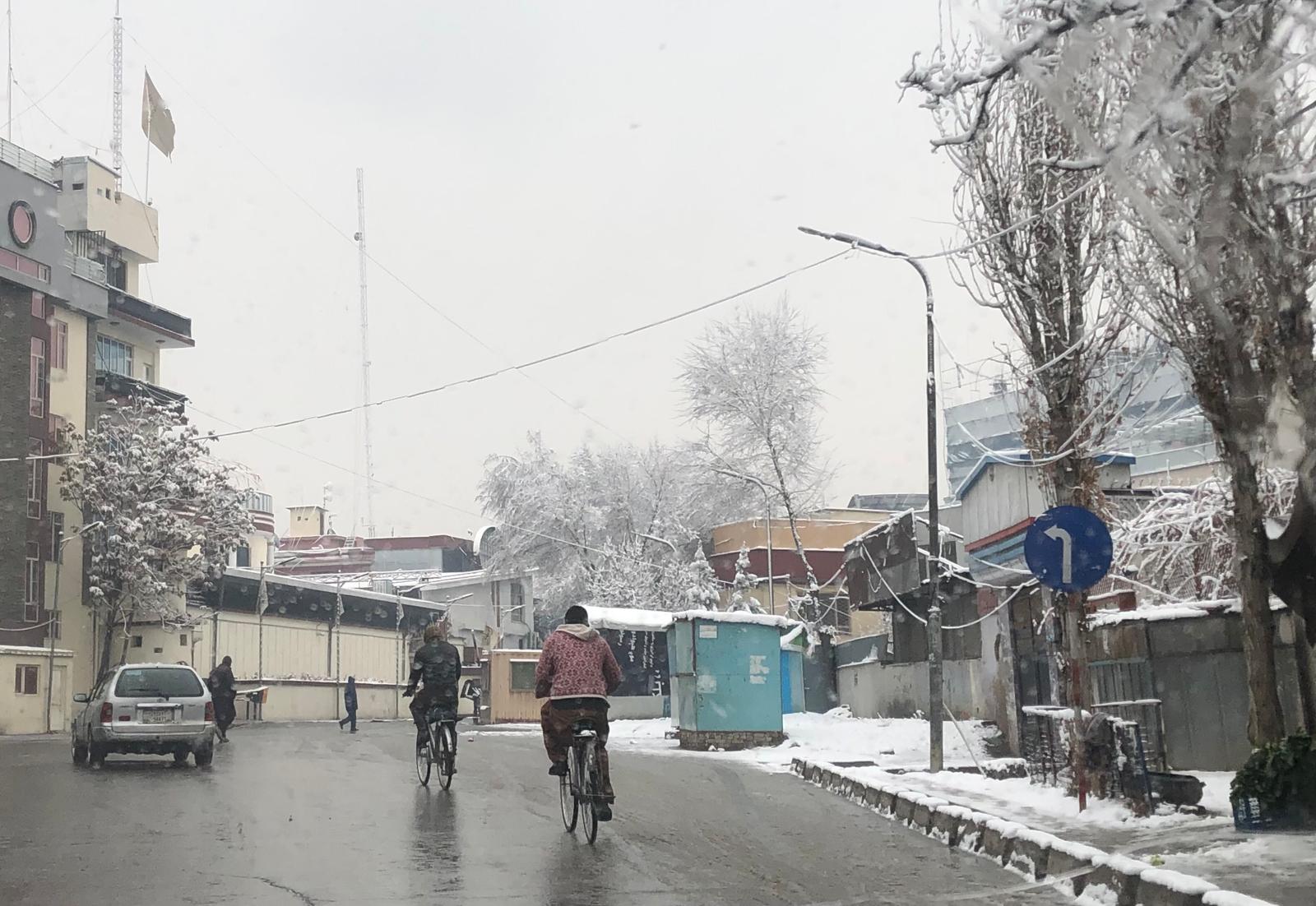
February in Kabul is the coldest month of the year; a month made of power cuts, snowfalls and the hope that there would be enough snow to avert the fear of forthcoming droughts. The first snowfall is always celebrated with an exchange of wishes and sweets.
I wrote about snow in Kabul for the first time more than ten years ago. Now I am back in the city after a very long time and there is snow again and I have the impression of closing an old circle while opening a new cycle.
Never like in this conjuncture, a return feels more like an arrival. Everything is familiar and yet everything is also to be understood afresh, from scratch; everything is to be looked at with new eyes free of prejudice, without the bias of conclusions reached even before fully comprehending details and premises.
I have been here for more than three weeks, but I write only now because probably it is only now that I have mastered the courage to face the fear of being misunderstood and to embrace the desire to highlight the dissonances that emerge every day against opposite polarising and ideological narratives.
After last night’s snowfall, Kabul is all grey; covered by worn and trampled snow and wrapped by an uncertain sky that doesn’t seem to know if it wants to stay hazy or send more snow. It is all these shades of grey that are the most difficult to represent. As days go by, I realise that shouted truths no longer hold when faced with reality; that rules and exceptions coexist side by side; that fear may turn life into survival; that glimpses of hope and possibility open up among millions of contradictions.
In its brutal beauty, Afghanistan has a unique way to crawl under my skin, to call me back and always give me a reason to return, one more question to chase, an epochal transformation to witness, an opportunity to question myself, my ideas and my prejudices. It is a disarming country, that somehow always leaves me alone and bare in front of myself and the reasons of my choices.
Febbraio a Kabul è sempre il mese più freddo dell’anno. Un mese fatto di blackout, di nevicate e di speranza che di neve ce ne sia abbastanza per scongiurare la paura della siccità. La prima nevicata dell’anno qui si festeggia con dolci e scambi di auguri.
Ho scritto per la prima volta della neve a Kabul più di dieci anni fa, essere di ritorno dopo tanto tempo e con la neve mi dà l’impressione di chiudere un vecchio cerchio ed aprire un nuovo ciclo.
Mai come in questo momento, il ritorno è piuttosto un arrivo. Tutto è familiare, ma tutto è da capire da capo; con occhi nuovi, liberi da pregiudizi e da conclusioni tirate ancora prima di comprendere a fondo dettagli e premesse.
Sono qui da più di tre settimane e scrivo solo adesso perché forse solo adesso ho trovato il coraggio di guardare in faccia la paura di essere fraintesa e prendere in mano il desiderio di raccontare le dissonanze che emergono qui ogni momento rispetto a versioni della storia opposte, ma comunque ideologiche e polarizzanti.
Dopo la nevicata di stanotte, Kabul è tutta grigia di neve calpestata e avvolta in un cielo incerto che non sa se rimanere nebuloso o buttar giù ancora neve. Sono tutte queste sfumature di grigio ad essere le più difficili da rappresentare. Più passano i giorni e più mi rendo conto che le verità proclamate non reggono il confronto con la realtà; che le regole e le eccezioni convivono fianco a fianco; che la paura rischia di trasformare la vita in sopravvivenza; e che spiragli di speranza e possibilità si aprono in mezzo alle migliaia di contraddizioni.
Nella sua brutale bellezza, L’Afghanistan ha un modo unico di infilarsi sotto la pelle e richiamare a sé, di far sì che ci sia sempre una ragione per tornare, una domanda da inseguire, una transizione epocale a cui assistere, un motivo per mettere in questione se stessi, le proprie idee e pregiudizi. È un paese disarmante, che in qualche modo lascia sempre soli davanti a sé stessi e alle ragioni delle proprie scelte.
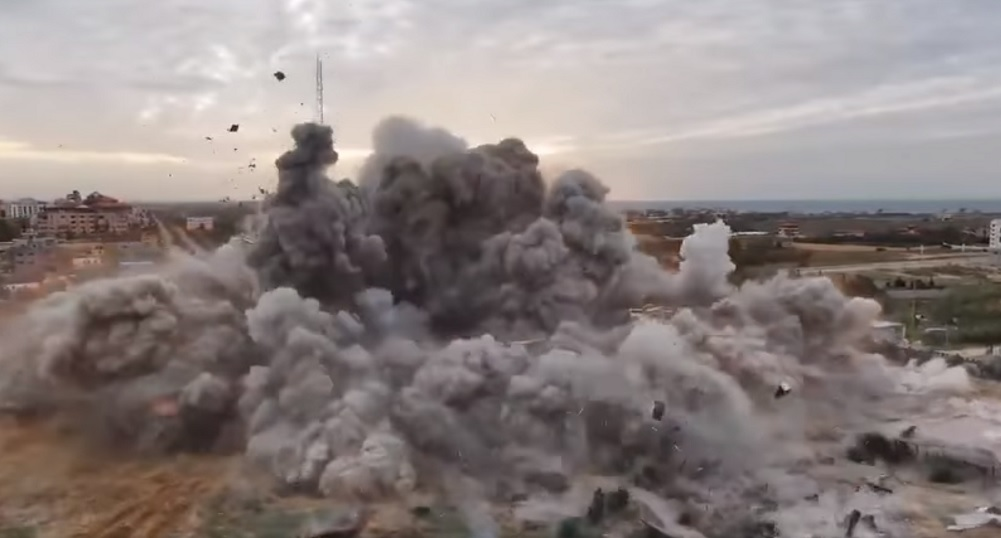
Ieri l’esercito israeliano ha distrutto con 315 mine il campus dell’università di Al-Israa a Gaza – era l’ultima delle sette università della Striscia a restare ancora in piedi. Nel campus dell’università c’era anche un museo che conteneva tremila artefatti rari.
Fino ad ottobre c’erano sette università. Adesso non ce n’è più nessuna.
Al-Israa era stata occupata settanta giorni fa dalle forze israeliane che l’avevano trasformata in un centro di detenzione: vi tenevano in isolamento i civili palestinesi che avevano arrestato prima di interrogarli. L’esercito israeliano ha diffuso il video della detonazione: neanche una manciata di secondi per ridurre in polvere ed eliminare ogni traccia fisica di un’istituzione culturale.
Mentre scrivo arriva anche la notizia della distruzione completa dell’ultimo ospedale funzionante di Gaza.
Fino ad ottobre ce n’erano trentasei. Adesso non ce n’è più nessuno.
È una lista di orrori che sembra essere senza fine.
Le notizie della guerra arrivano a casa come fatti compiuti. Quello di cui siamo testimoni nel quotidiano è il risultato, l’esito: un certo numero di morti; un certo numero di profughi; il successo o il fallimento di una certa operazione militare; le retate; gli arresti; il numero di case, villaggi, scuole, ospedali distrutti.
Quello che in genere non è completamente visibile nella narrazione giornalistica è l’estrema complessità della logistica che sta dietro a queste operazioni.
Continuo a pensare a quelle 315 mine che hanno distrutto Al-Israa – sono tantissime. Tantissime.
Per distruggere un complesso edilizio con 315 mine ci vuole un coordinamento perfetto di forze, mezzi e risorse, ma soprattutto di intenzioni e volontà.
Osservare la logistica della guerra con la sua apparente banalità di catene di comando, meccanizzazioni e gesti in sé “innocenti,” è il modo più terribile di guardare negli occhi la crudeltà.
Oltre alla decisione politica, ci vuole tanta gente che passi tanto tempo a capire e decidere come si distrugge un’università o quanti bulldozers servono per radere al suolo un villaggio o di quanti soldati si ha bisogno per una retata in piena notte.
Per me il più grande orrore della guerra è qui. Nella mente, nella quotidianità, nella routine di tutti coloro che creano le condizioni per distruggere, infliggere morte e desolazione.
L’esito devastante di cui siamo testimoni è il prodotto di un milione di piccoli gesti, di infinite micro-complicità. È per questo che non ha senso parlare di danni collaterali o di errore involontario – non è uno sconto che si può fare a chi è fautore di tanto orrore.
La guerra non è mai necessaria e invece sempre deliberatamente crudele.
Yesterday the Israeli Army detonated 315 mines to destroy Al-Israa University in Gaza – it was the last standing university in the Gaza Strip. In the campus there was also a museum that preserved 3,000 rare artifacts.
Till October there used to be seven universities in Gaza. Now there is not a single one left.
Al-Israa was occupied by the Israeli Forces seventy days ago and turned into a detention centre where they kept in isolation the Palestinian civilians they arrested before interrogating them. The Israeli Army published a video of the detonation: it only took a bunch of seconds to turn into dust and eliminate any physical presence of a cultural institution.
As I write, there’s also the news of the complete destruction of the last functioning hospital in Gaza.
Till October there used to be thirty-six hospitals. Now there is not a single one left.
It is a list of horrors that does not seem to have an end.
News of war come to our homes as fait accompli. What we witness every day are the end results, the outcomes: a certain number of casualties; the toll of displaced people; the success or failure of a military operation; the raids and round-ups; the arrests; the number of destroyed homes, villages, schools, hospitals.
What is usually not completely visible in the journalistic narration we receive is the extreme complexity of the logistics behind such operations.
I keep thinking about those 315 mines that destroyed Al-Israa – it’s a huge number. Huge.
It takes a perfect coordination of forces, means and resources, but most of all of wills and intentions to be able to destroy a building complex with 315 mines.
To observe the logistics of war with its apparent banality made of chains of command, mechanisations and gestures in themselves “innocent,” is a tremendous way to look at cruelty in the eye.
Besides the political decision, there is a lot of people who spend a lot of time understanding and deciding how to destroy a university, how many bulldozers it takes to raze a village to the ground, how many soldiers are needed for a night raid.
For me, the biggest horror of war is here. In the minds, daily activities and routines of all those who create the conditions to destroy and inflict death and desolation.
The devastating outcomes we witness in the news are the product of a million little gestures, of infinite micro-complicities. It’s for this reason that it makes no sense to speak about collateral damages or involuntary errors – this is a benefit of the doubt that perpetrators of such horrors do not deserve.
War is never necessary; it is instead always deliberately cruel.



 Francesca Recchia