Unknown's avatar

Gulkhana

20160728_162008

Quella di tornare a Kabul è stata una decisione difficile: da lontano, l’idea di mettere insieme abbastanza forze per affrontare il viaggio sembra un’impresa titanica, ben al di là di quanto si possa essere in grado di fare. E poi basta un attimo, le porte dell’aereo si aprono e Kabul ti accoglie con quella sua tipica ondata di calore, con quell’aria torrida dall’odore di polvere che per qualche oscura ragione ti fa sentire a casa. Basta un attimo e la città, col suo fascino inspiegabile, ti riassorbe e tu sei di nuovo parte di lei come se non ci fosse mai stata interruzione.

Kabul è sempre la stessa, eppure stavolta è tutto diverso. C’è un senso di fatica che per la prima volta, dopo tanti anni, è drammaticamente tangibile. Ho passato la scorsa settimana ad aggiungere nomi alla lunga lista di quelli che hanno lasciato il paese. Chi può se ne va, sfinito dalla guerra e dalla mancanza di orizzonte. In un paese senza presente come l’Afghanistan, la fuga di cervelli rischia di diventare la condanna a morte per il futuro.

Ieri un mio caro amico, uno dei più promettenti giovani artisti in città, mi ha scritto dicendo che spera di venire a trovarmi presto per mostrarmi i suoi nuovi disegni e nel frattempo mi aggiornava del fatto che non era soddisfatto dei suoi progressi: per vari mesi infatti non ha potuto disegnare perché non aveva più carta. Per fortuna, mi ha scritto, è andato in Pakistan con la famiglia e ha potuto comprare altra carta – e quindi ha ricominciato a disegnare. Non riesco a togliermi dalla testa il tono senza rabbia e senza rivendicazione con cui mi ha scritto: qui è così, è normale non avere la carta e non poter disegnare, c’è poco altro da aggiungere.

E’ da questa mancanza di carta che anche io devo ricominciare.

Il mio nuovo ufficio è nella serra di uno dei più bei palazzi di Kabul, sorprendentemente sopravvissuto a decenni di bombe di varia provenienza. Qui chiamano la serra gulkhana, la casa dei fiori – in questo periodo dell’anno il caldo è insopportabile, ma ho chiesto io di sedermi lì, mi sembrava un bel punto di partenza. La mia scrivania è circondata dalle finestre e inondata dal sole: torrida in questa stagione, ma con la promessa di un tepore gentile durante il lungo inverno. Mi guardo intorno e sono felice della scelta che ho fatto – ha senso essere qui; ha senso essere qui ora. Ha senso, ma mi domando come alimentare la determinazione per andare avanti con un compito che in qualche modo è “ingrato”: lavorare per il futuro senza la garanzia di risultati immediati nel presente. La promessa e la visione di una prospettiva più ampia delle immediate contingenze è senz’altro una fonte di motivazione, ma trovare il senso di quella motivazione nei piccoli passi di ogni giorno è tutt’altra storia – spero di avere sufficiente lucidità per continuare a ricordarlo a me stessa.

Le finestre della gulkhana affacciano sul giardino, mai spoglio perché costruito intorno al ciclo delle stagioni, all’instancabile andare circolare del tempo: saggezza semplice e senza pretese che ha molto da insegnare.

Unknown's avatar

La guerra dei linguaggi


«Once Upon A Time» di Shamsia Hassani

L’immagine dell’Afghanistan propagandata dai media è costellata di luoghi comuni, anche quando l’argomento riguarda la produzione culturale. I finanziamenti stranieri rinforzano la visione Kabul-centrica, considerano solo le élite che parlano inglese e non lasciano margine alla creatività spontanea

Un mio articolo sull’impatto dell’economia di guerra sulla produzione culturale in Afghanistan su Il Manifesto.

Qui la versione integrale.

Unknown's avatar

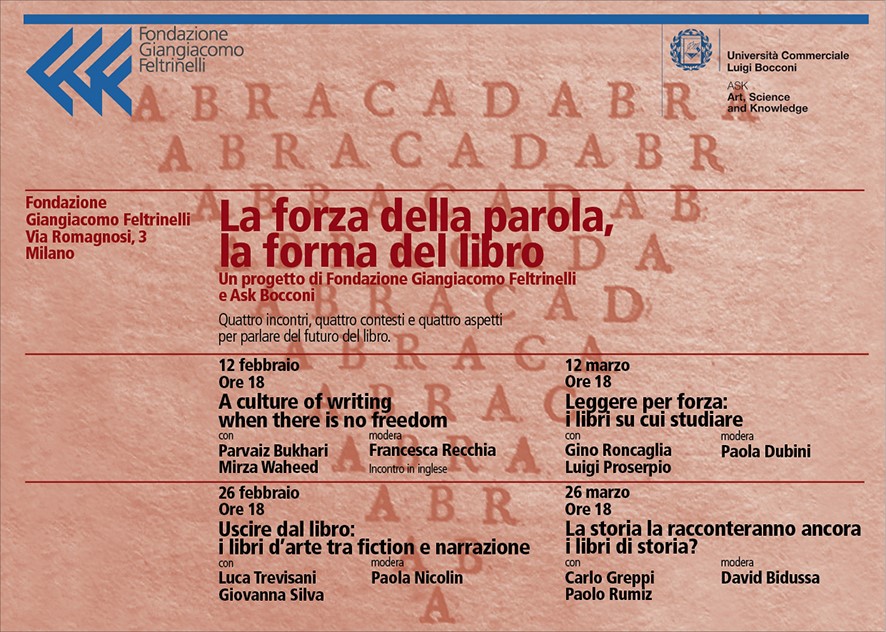
A culture of writing in absence of freedoms

Il 12 febbraio saremo alla Fondazione Feltrinelli con Parvaiz Bukhari e Mirza Waheed a parlare di libri e Kashmir.

Gli ultimi anni hanno visto una crescita esponenziale dell’uso dei social media da parte dei giovani Kashmiri a testimonianza del bisogno di comunicare un’immagine differente e più radicata della storia politica della regione.

Riflettendo su questa situazione, la conversazione prende in esame il ruolo della scrittura, la cultura della lettura e la scelta delle possibilità di pubblicazione in un contesto in cui il conflitto si articola in termini religiosi, linguistici e coloniali.

Qui orari e indirizzo.

invito

Unknown's avatar

Learning to read

I have been studying Dari for a year now and I finally reached a functional level that allows me to ask to change the dynamo of the generator, check with the plumber that the sewage finally works properly and converse with taxi drivers – mostly about God and religion, conversations that – beyond the language barrier, often leave me with questions that I am not capable to answer.

I have learnt the alphabet since the very beginning, but it has only need a week since I started reading out loud.

It made me feel like a little girl again and Sister Fidalma came to mind – she was the incredibly old nun who gave me reading tuitions when I was in school. When I was little, it took me a very long time before I learnt to read properly. My first oculist got my prescriptions wrong and, despite huge baby-pink specs, I could hardly see anything and the letters on the page would hopelessly blur.

It is funny to think now that my first active relationship with books was one of effort and frustration and it makes me happy to look back and see how much things have changed.

Learning to read as an adult is turning into a funding moment in my personal development. It is a humbling experience where I have to look at myself and my limits without filters or excuses: there is no bluff and there is no hiding. Reading out loud a syllable after the other is embarrassing – I have the impression to blush every time I finish reading a word; making banal mistakes is frustrating, but reaching the end of a sentence – exhausted after barely five words – is a priceless and unforgettable pleasure.

Sayed, my fantastic teacher, has found the right balance with me: he pulls my leg and encourages me at the same time, he helps me laugh at my efforts and not to take myself too seriously.

There is so much that we take as a given, we hardly question our abilities and all those things we believe we are entitled to.

Starting from scratch again is reminding me of the importance of humility, of the satisfaction of small steps, and of the genuine joy of simple achievements.

Unknown's avatar

Imparare a leggere

Studio il Dari ormai da un anno, sono arrivata ad un livello tale per cui posso chiedere di cambiare la dinamo del generatore, verificare che l’idraulico abbia riparato la fogna per bene e conversare con i tassisti – spesso di Dio e di questioni religiose a cui difficilmente riesco a dare risposta.

Sin dall’inizio ho imparato l’alfabeto, ma è solo da una settimana che ho cominciato a fare esercizi di lettura ad alta voce.

Mi sono sentita di nuovo una ragazzina e mi è tornata in mente Suor Fidalma, la suora vecchissima che mi dava ripetizione di lettura. Da piccina, mi ci è voluto tantissimo tempo per imparare a leggere. Il mio primo oculista aveva sbagliato la prescrizione delle lenti e nonostante avessi dei giganteschi occhiali rosa confetto, fondamentalmente non vedevo un granché e le lettere sulla pagina si confondevano.

Strano pensare come il mio primo rapporto attivo con i libri sia stato caratterizzato dalla fatica e dalla frustrazione, ed è bello guardarsi indietro e vedere quante cose siano cambiate.

Imparare a leggere da adulta si sta rivelando un’esperienza fondamentale nella mia formazione personale. E’ un confronto con me stessa e con i miei limiti: c’è poco da bluffare e non ci sono sconti. Sillabare ad alta voce è imbarazzante – ho l’impressione di arrossire ogni volta che leggo una parola – fare errori banali è frustrante, ma arrivare in fondo alla prima riga, stanchissima dopo cinque parole, è un’esperienza assolutamente indimenticabile. Sayed, il mio fantastico maestro, ha trovato la giusta misura: mi prende in giro e mi incoraggia, mi aiuta a ridere delle mie difficoltà e a non prendermi troppo sul serio.

Si dà così tanto per scontato, su noi stessi sulle nostre capacità e su quello che ci sembra ci sia dovuto. Ricominciare da zero, mi sta ricordando l’importanza dell’umiltà, la soddisfazione dei piccoli passi e la gioia genuina dei traguardi semplici.

Unknown's avatar

A Contemporary Arts Library in Kabul?

As some of you may already know, in the past year I have helped Berang Arts, a collective of young artists, to set up a small, independent Contemporary Arts Academy in Kabul.

We’ve now decided to move one step further and we want to try and set up an art library and specialised resource centre that artists can access and use for their research. This is a non-NGO funded initiative, it springs out of our time, enthusiasm and commitment.

As there is no international donor to fund this, we are looking for friends and patrons who are willing to support us – by donating a book, getting your friends to donate books or, for those who come and go from Afghanistan, make some space in their suitcase to help bring books in.

We are looking for books on contemporary arts and related subjects in English and Persian. Any contribution will be very very welcome!

Please get in touch if you want to know more [ kiccovich (@) gmail (.) com] and feel free to pass my email on to those who may be interested in contributing.

Thanks for your support!


Unknown's avatar

The Pain of Others

I wrote this bulletin a while ago, after coming back from a trip to Kashmir. I think it sums up the how and why I do what I do.

***

Srinagar_01

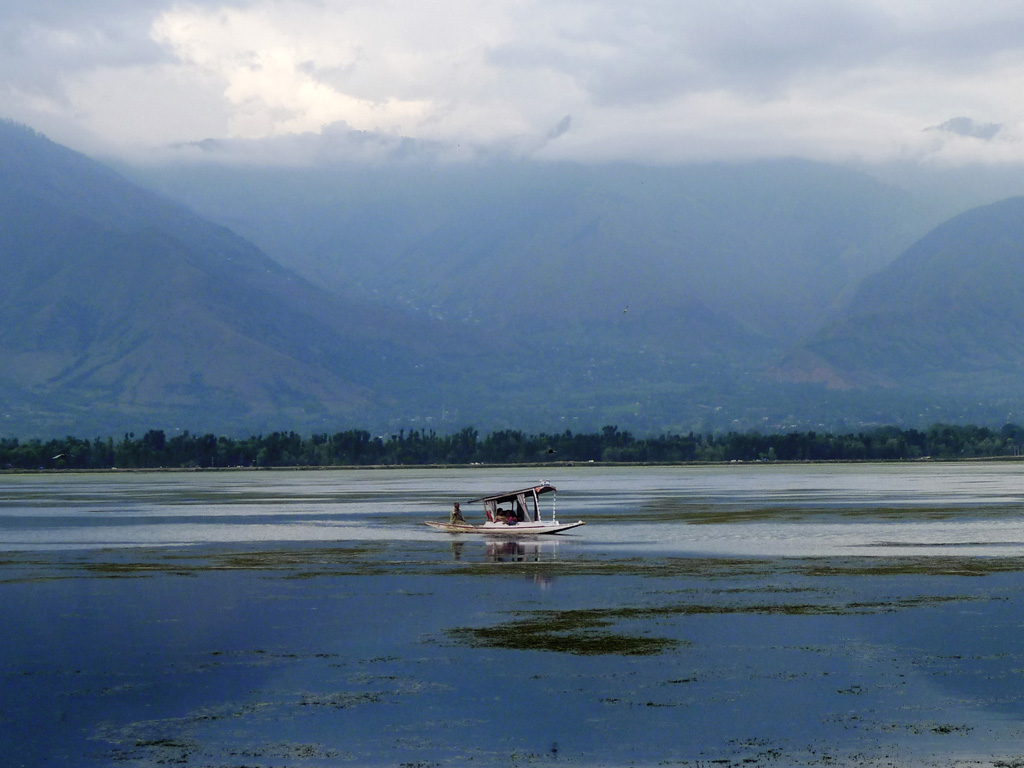
I have come back from Srinagar a week ago and the voices and details of the city are still vividly present in my memory. The Dal lake, the snow-capped mountains, the windstorm that shook my last night in the city and got mingled with the lamenting voices of women praying to fight their fear.

Srinagar is not leaving me, I would like perhaps some distance, but it has decided to stay with me. The Kashmir of the almost forgotten conflict has crept under my skin.

Agha Shahid Ali, the poet who more than anyone else gave voice to the unique mixture of beauty and brutality that seems to be the essence of the Valley, has been my guide. I have looked at his Valley through the lens of his words. And Srinagar inevitably became also for me the city of daughters: where almost every man has a police record – if not as a suspect, as a spy: it seems, in fact, that there are some 170 thousand spies for a population of 10 million people – and where women make life go on, in silence, away from indiscreet gazes and the clamours of public domain.

And so it is that also the apparent quiet that surrounds Srinagar, the renewed presence of tourists, the rhetoric of the regained stability acquire a new meaning through the verses of

Agha Shahid Ali, who quotes Tacitus: solitudinem faciunt, pacem appellant – they make a desolation and call it peace.

It is not the first time that I experience this kind of desolation. It hit me in Palestine, in refugee camps in Iraq and Tunisia, in the slums of Pakistan.

But it seems that this desolation has now come back to claim a long overdue credit.

Of years of stories that I listened to, collected and preserved in my memory. Of tales of lives and places that I visited, felt and shared through my writings.

How can I do justice to so much richness and pain?

How to give proper credit to those who tell you that they feel guilty to be happy when their country is under an oppression that seems to have no end?

How do to sail in this big sea? Where is the compass that leads the path so as to preserve a sensitive eye and yet avoid pitiful sympathy? How can one tell about the power of human dignity without risking the objectifying gaze of the anthropologist who looks for truths?

Questions multiply and answers seem to slip away.

Hitting the road is the only solution I know: the source of more questions that animate the quest for more answers.

The road and a desire for care, dedication and attention – in my words and politics – towards the people and places that have told and continue telling me these stories.

Unknown's avatar

Il dolore degli altri

Ho scritto questo bollettino qualche tempo fa, di ritorno da un viaggio in Kashmir. Racconta in qualche modo quello il perché e il come di quello che faccio.

***

Sono tornata da Srinagar da una settimana, ma le voci, le sfumature, i dettagli della città sono ancora presenti e vividi nella memoria. Il lago Dal, le montagne innevate all’orizzonte, la tempesta di vento che ha scosso la mia ultima notte in città inframmezzata dalle voci lamentose delle donne in preghiera per sconfiggere la paura.

Srinagar non mi lascia, forse vorrei una tregua e invece resta con me.

Il Kashmir del conflitto di cui non si parla mi si è infilato sotto la pelle.

Srinagar_01Agha Shahid Ali, il poeta che più di ogni altro ha dato voce alla mescolanza unica di bellezza e brutalità che sembra essere l’essenza del paese, mi ha fatto da guida: ho visto i suoi luoghi attraverso la lente delle sue parole e Srinagar è diventata inevitabilmente anche per me la città delle figlie, dove quasi tutti gli uomini sono schedati dalla polizia se non come sospettati allora come spie – sembrano ce ne siano cento settanta mila in un paese dove gli abitanti sono dieci milioni – e dove le donne portano avanti la vita, in silenzio, fuori dagli sguardi indiscreti e dai clamori della dimensione pubblica.

Ed è così che anche la calma apparente che avvolge Srinagar, la rinnovata presenza di turisti, la retorica della riconquistata stabilità prendono significato dai versi di Agha Shahid Ali, che cita Tacito: solitudinem faciunt, pacem appellant – portano desolazione e la chiamano pace.

Non è la prima volta che faccio esperienza di questa desolazione, mi ha colpito in Palestina, nei campi di sfollati in Iraq e in Tunisia, negli slum del Pakistan.

Ma sembra che questa volta sia tornata a chiedere il conto.

Di anni di storie ascoltate, raccolte e conservate nella memoria. Di vite raccontate, di posti visti, sentiti e condivisi attraverso le parole.

Come fare giustizia a tanta ricchezza e tanto dolore?

Come dare il giusto credito a chi ti dice che si sente in colpa ad essere felice quando il proprio paese è vittima di un’oppressione che non sembra avere via d’uscita?

Come si naviga in questo mare? Dove è la bussola che guida il mio percorso in modo da conservare la delicatezza dello sguardo ed evitare un morboso senso di pena? Come si racconta la potenza della dignità umana senza l’atteggiamento oggettivante di un antropologo a caccia di verità?

Le domande si moltiplicano e le risposte sembrano sfuggire.

La strada è l’unica soluzione che conosco: la fonte di altre domande che porta al desiderio di cercare altre risposte.

La strada e un desiderio di cura, di dedizione e di attenzione – nella politica e nelle parole – per le persone e i luoghi che mi hanno raccontato e continuano a raccontarmi queste storie.

Unknown's avatar

A Wealth of Voices in Kashmir

About a year ago, Rich Autumns and I started discussing about the blog-sphere in Kashmir. It was before my trip to Srinagar, I thought I would use some of the time of my visit and meet bloggers and feel the pulse of the place.

A few hours after I arrived in Srinagar the snow came, loads of snow, so the plan faded, but I consoled myself with the good company of friends and cup after cup of noon chai.

Just before the end of 2014, the debate around blogging in Kashmir sparked again on Twitter – following the momentum, Rich and I decided to get back to our list, a modest one of maybe twenty-five links or so. Within a few hours, we decided to make the list public and look for contribution from those who were taking part in the discussion online.

To our greatest surprise, suggestions and recommendations started to flood in with great enthusiasm. Haamid Peerzada has been particularly helpful and without his contribution the list would have not taken the shape that it has today: almost two hundred names!

The list can be found here and it is still very much a work in progress. My hope is that I can make sometime soon to write a proper review of what we’ve found, for now I am thrilled at having stumbled upon an immense treasure: a wealth of voices and a great desire for expression, which feels me with hope in such a delicate political moment in the Valley.


Unknown's avatar

The Little Book of Kabul in London

kiccovich's avatarThe Little Book of Kabul

SOAS Afghan Society will be joined by Francesca Recchia and Lorenzo Tugnoli, the authors of The Little Book of Kabul.

The Little Book of Kabul is a book project that depicts a portrait of Kabul through the daily activities of a number of artists who live in the city. With an evocative tone, it focuses on the tiny details that escape grand narratives. Colours and gestures, smells and accents. In 20 short stories and 47 black and white photographs, The Little Book of Kabul dives into the lives of the three main characters exploring what it means to be an artist in Kabul and hence unveiling the beauty and brutality of the city.

Come join us!

Date & Time: Friday 28th November, 6-8pm
Room: G3 SOAS, University of London, London WC1H 0XG
Nearest tube: Russell Square

This event is free and open to all.

View original post