Unknown's avatar

Una tazza di te salato

Non capisco chi non capisce che la politica passa anche dalla pancia. Oltre alla visceralità dell’esistenza politica, per me ci sono anche sempre fattori contingenti che, per caso o per necessità, mi riconducono al perché di quello che ho scelto e di quello che per cui vivo.

Oggi l’occasione è stata una tazza di te salato, tipico del Kashmir e delle valli himalayane al di qua e al di là del confine contestato tra India e Pakistan.

Un paio di giorni fa ne parlavo con uno dei miei colleghi; lui viene da Hunza, una valle a 2500 metri d’altitudine nell’estremo nord del Pakistan. Discutevamo di variazioni regionali nelle ricette, di abitudini e tradizioni del te salato. Sapendo che mi piace molto, me lo ha preparato stamattina per colazione. Quello che lui chiama shur chai è una versione (con il burro e senza il bicarbonato) di quello che io conosco come noon chai e che per me rappresenta il sapore che associo col Kashmir. Mentre io bevevo la mia tazza, con la testa a Kabul e il cuore a Srinagar, lui ha riempito una ciotola con pezzi di pane vecchio, poi ha versato il te e lo ha mangiato come una zuppa, pensando con nostalgia alle colazioni di quando era bambino.

La mia tazza di shur chai mi ha messo di fronte a quello che da giorni cercavo di evitare.

Sono quarantatré giorni che sento il bisogno di scrivere di quanto sta succedendo in Kashmir, ma ogni giorno che passa rende più difficile trovare le parole. Ho continuato a procrastinare, incapace di affrontare l’impensabilità di tanto orrore. E con ogni giorno che passa cresce il senso di colpa perché sento che il mio silenzio diventa complice.

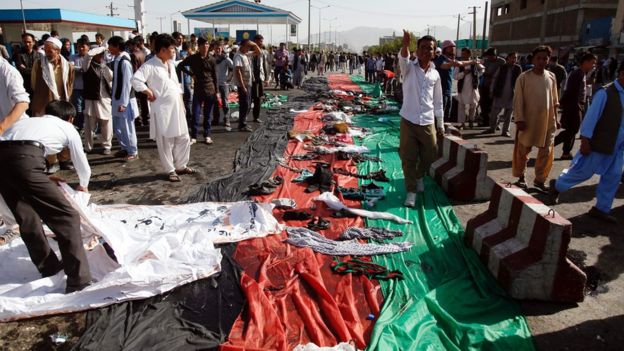
Sono quarantatré giorni che la Valle è sotto assedio. Dopo l’uccisione del giovane comandante di uno dei gruppi ribelli che combattono il controllo indiano in nome dell’autodeterminazione, il Kashmir è insorto e l’India ha risposto col pugno di ferro. Con una violenza inaudita e difficile da comprendere. In quarantatré giorni sono state uccise quasi settanta persone e centinaia sono state colpite, per lo più agli occhi, da fucili ad aria compressa. Fuor di metafora, l’esercito indiano sta sistematicamente rimuovendo la possibilità di guardare al futuro in maniera diversa da quella immaginata da chi sta al potere. Nei giorni scorsi il coprifuoco è stato esteso tanto al giorno che alla notte, rendendo praticamente impossibile anche solo comperare il latte. L’altro ieri è stata impedita la distribuzione di carburante e hanno sparato all’autista di un’ambulanza che trasportava dei feriti all’ospedale. Penso ai miei amici lì, a chi ha un posto molto speciale nel mio cuore, alle madri degli adolescenti che protestano per le strade. Alla rabbia, alla paura, al diritto di scegliere e di decidere per se stessi.

Come si scrive di tutto questo? Dove si trovano le parole? Oggi un amico mi ha detto che scrivere è inutile perché in tempi come questi non ci resta niente da aggiungere. Forse è vero, non ci sono parole che possano dare la misura dell’orrore e quello che scrivo è irrilevante, ma mai come adesso il silenzio mi sembra colpevole.

A volte vorrei tanto vivere in un mondo semplice in cui una tazza di te salato potesse essere sufficiente per cominciare a cambiare le cose.

Unknown's avatar

Gulkhana

20160728_162008

It is hot. I sweat slowly.

Deciding to come back to Kabul has been difficult: from afar, the idea of gathering enough strength to face the journey is overwhelming, something that seems beyond actual capability.

But then, it only takes a second: the doors of the plane open and Kabul welcomes you with her typical heatwave, with that sultry air that smells of dust and that, for some obscure reason, makes you feel at home. It only takes a second and the city, with her inexplicable charm, absorbs you and makes you part of her again – seamlessly.

Kabul is always the same, yet this time everything seems different. There is a sense of tiredness that, for the first time in many years, is dramatically tangible. I spent the whole of last week adding names to the long list of those who have left the country. Those who can, leave: exhausted by war and the lack of a horizon. In a country without a present like Afghanistan, this brain-drain is a death sentence for the future.

Yesterday a good friend, one of the most talented young artists in town, wrote me to say that he hopes to come and show me his new drawings soon. He went on updating me about the fact that he was not entirely happy with the progress of his work: for several months he could not draw as he ran out of paper. Luckily, he added, he had gone on a trip to Pakistan with his family and hence could buy more paper and resume drawing. The matter of fact tone with which he wrote stayed with me: there was no resentment. This is how things are here, it is normal not to have paper and not to be able to draw: there’s not much else to add.

It is from this lack of paper that I should probably re-start as well.

My new office is in the greenhouse of one of the most beautiful old buildings in Kabul: it stayed surprisingly intact despite decades of bombs. In Dari, the greenhouse is called gulkhana, the flowers’ house. At this time of the year, its heat is unbearable, but I specifically asked to sit there: I thought it would be a beautiful starting point. My desk is surrounded by windows and flooded with light: it is torrid in this season, but it carries the promise of a gentle warmth during the long winter. I look around and I am happy about the choice I made. It makes sense to be here: it makes sense to be here now. It makes sense, but I wonder how to feed the determination to keep going with what may somehow seem an ungrateful task: to work towards the future with no guarantee of immediate results in the present. The promise and the vision of a broader perspective that goes beyond contingencies is certainly a source of motivation, but finding the root of that motivation in the little everyday steps is another matter. I hope I’ll stay lucid enough to be able to keep reminding it to myself.

The windows of he gulkhana face the garden, which is never barren as it has been designed around the cycle of seasons, around the tireless, round pace of time: simple, unpretentious wisdom that has a lot to teach.

This post was published on The News on the 26th of July 2016.

Unknown's avatar

Gulkhana

20160728_162008

Quella di tornare a Kabul è stata una decisione difficile: da lontano, l’idea di mettere insieme abbastanza forze per affrontare il viaggio sembra un’impresa titanica, ben al di là di quanto si possa essere in grado di fare. E poi basta un attimo, le porte dell’aereo si aprono e Kabul ti accoglie con quella sua tipica ondata di calore, con quell’aria torrida dall’odore di polvere che per qualche oscura ragione ti fa sentire a casa. Basta un attimo e la città, col suo fascino inspiegabile, ti riassorbe e tu sei di nuovo parte di lei come se non ci fosse mai stata interruzione.

Kabul è sempre la stessa, eppure stavolta è tutto diverso. C’è un senso di fatica che per la prima volta, dopo tanti anni, è drammaticamente tangibile. Ho passato la scorsa settimana ad aggiungere nomi alla lunga lista di quelli che hanno lasciato il paese. Chi può se ne va, sfinito dalla guerra e dalla mancanza di orizzonte. In un paese senza presente come l’Afghanistan, la fuga di cervelli rischia di diventare la condanna a morte per il futuro.

Ieri un mio caro amico, uno dei più promettenti giovani artisti in città, mi ha scritto dicendo che spera di venire a trovarmi presto per mostrarmi i suoi nuovi disegni e nel frattempo mi aggiornava del fatto che non era soddisfatto dei suoi progressi: per vari mesi infatti non ha potuto disegnare perché non aveva più carta. Per fortuna, mi ha scritto, è andato in Pakistan con la famiglia e ha potuto comprare altra carta – e quindi ha ricominciato a disegnare. Non riesco a togliermi dalla testa il tono senza rabbia e senza rivendicazione con cui mi ha scritto: qui è così, è normale non avere la carta e non poter disegnare, c’è poco altro da aggiungere.

E’ da questa mancanza di carta che anche io devo ricominciare.

Il mio nuovo ufficio è nella serra di uno dei più bei palazzi di Kabul, sorprendentemente sopravvissuto a decenni di bombe di varia provenienza. Qui chiamano la serra gulkhana, la casa dei fiori – in questo periodo dell’anno il caldo è insopportabile, ma ho chiesto io di sedermi lì, mi sembrava un bel punto di partenza. La mia scrivania è circondata dalle finestre e inondata dal sole: torrida in questa stagione, ma con la promessa di un tepore gentile durante il lungo inverno. Mi guardo intorno e sono felice della scelta che ho fatto – ha senso essere qui; ha senso essere qui ora. Ha senso, ma mi domando come alimentare la determinazione per andare avanti con un compito che in qualche modo è “ingrato”: lavorare per il futuro senza la garanzia di risultati immediati nel presente. La promessa e la visione di una prospettiva più ampia delle immediate contingenze è senz’altro una fonte di motivazione, ma trovare il senso di quella motivazione nei piccoli passi di ogni giorno è tutt’altra storia – spero di avere sufficiente lucidità per continuare a ricordarlo a me stessa.

Le finestre della gulkhana affacciano sul giardino, mai spoglio perché costruito intorno al ciclo delle stagioni, all’instancabile andare circolare del tempo: saggezza semplice e senza pretese che ha molto da insegnare.

Unknown's avatar

Who cleans the city?

90498189_034190772
Photo EPA

After the terrible attack that shook Kabul, I wrote about those who clean the city.

Auctorly hosted my piece.

The day after is always difficult.

Yesterday’s suicide attack has been the worst in Kabul since 2001–the victims were all civilians, all young: a terrible blast for the already fragile heart of the city.

Read the full article here.

Unknown's avatar

Due pesi e due misure

La libreria delle donne di Milano, mi ha chiesto di raccogliere un po’ di pensieri su quello che è successo a Parigi.

Visti da Kabul, dove vivo da due anni e mezzo, i fatti di Parigi del 7 gennaio sono apparsi come una delle tante, troppe, storie di ordinaria follia.

Le notizie della violenza cieca e insensata in Francia ci hanno raggiunto insieme a quelle dell’attacco alla scuola di Peshawar (16 dicembre 2014) dove sono morti 132 bambini e 9 adulti; agli attacchi dei droni della CIA in Nord Waziristan del 19 e del 28 gennaio in cui sono morte almeno 15 persone; ai numeri insensati dei morti senza nome nei villaggi di Baga e Doron Baga per mano di Boko Haram in Nigeria.

L’Occidente ha vissuto una fase di indignazione collettiva – e selettiva – senza precedenti.

Trovate qui il resto dell’articolo.

Unknown's avatar

Learning to read

I have been studying Dari for a year now and I finally reached a functional level that allows me to ask to change the dynamo of the generator, check with the plumber that the sewage finally works properly and converse with taxi drivers – mostly about God and religion, conversations that – beyond the language barrier, often leave me with questions that I am not capable to answer.

I have learnt the alphabet since the very beginning, but it has only need a week since I started reading out loud.

It made me feel like a little girl again and Sister Fidalma came to mind – she was the incredibly old nun who gave me reading tuitions when I was in school. When I was little, it took me a very long time before I learnt to read properly. My first oculist got my prescriptions wrong and, despite huge baby-pink specs, I could hardly see anything and the letters on the page would hopelessly blur.

It is funny to think now that my first active relationship with books was one of effort and frustration and it makes me happy to look back and see how much things have changed.

Learning to read as an adult is turning into a funding moment in my personal development. It is a humbling experience where I have to look at myself and my limits without filters or excuses: there is no bluff and there is no hiding. Reading out loud a syllable after the other is embarrassing – I have the impression to blush every time I finish reading a word; making banal mistakes is frustrating, but reaching the end of a sentence – exhausted after barely five words – is a priceless and unforgettable pleasure.

Sayed, my fantastic teacher, has found the right balance with me: he pulls my leg and encourages me at the same time, he helps me laugh at my efforts and not to take myself too seriously.

There is so much that we take as a given, we hardly question our abilities and all those things we believe we are entitled to.

Starting from scratch again is reminding me of the importance of humility, of the satisfaction of small steps, and of the genuine joy of simple achievements.

Unknown's avatar

Imparare a leggere

Studio il Dari ormai da un anno, sono arrivata ad un livello tale per cui posso chiedere di cambiare la dinamo del generatore, verificare che l’idraulico abbia riparato la fogna per bene e conversare con i tassisti – spesso di Dio e di questioni religiose a cui difficilmente riesco a dare risposta.

Sin dall’inizio ho imparato l’alfabeto, ma è solo da una settimana che ho cominciato a fare esercizi di lettura ad alta voce.

Mi sono sentita di nuovo una ragazzina e mi è tornata in mente Suor Fidalma, la suora vecchissima che mi dava ripetizione di lettura. Da piccina, mi ci è voluto tantissimo tempo per imparare a leggere. Il mio primo oculista aveva sbagliato la prescrizione delle lenti e nonostante avessi dei giganteschi occhiali rosa confetto, fondamentalmente non vedevo un granché e le lettere sulla pagina si confondevano.

Strano pensare come il mio primo rapporto attivo con i libri sia stato caratterizzato dalla fatica e dalla frustrazione, ed è bello guardarsi indietro e vedere quante cose siano cambiate.

Imparare a leggere da adulta si sta rivelando un’esperienza fondamentale nella mia formazione personale. E’ un confronto con me stessa e con i miei limiti: c’è poco da bluffare e non ci sono sconti. Sillabare ad alta voce è imbarazzante – ho l’impressione di arrossire ogni volta che leggo una parola – fare errori banali è frustrante, ma arrivare in fondo alla prima riga, stanchissima dopo cinque parole, è un’esperienza assolutamente indimenticabile. Sayed, il mio fantastico maestro, ha trovato la giusta misura: mi prende in giro e mi incoraggia, mi aiuta a ridere delle mie difficoltà e a non prendermi troppo sul serio.

Si dà così tanto per scontato, su noi stessi sulle nostre capacità e su quello che ci sembra ci sia dovuto. Ricominciare da zero, mi sta ricordando l’importanza dell’umiltà, la soddisfazione dei piccoli passi e la gioia genuina dei traguardi semplici.

Unknown's avatar

A Contemporary Arts Library in Kabul?

As some of you may already know, in the past year I have helped Berang Arts, a collective of young artists, to set up a small, independent Contemporary Arts Academy in Kabul.

We’ve now decided to move one step further and we want to try and set up an art library and specialised resource centre that artists can access and use for their research. This is a non-NGO funded initiative, it springs out of our time, enthusiasm and commitment.

As there is no international donor to fund this, we are looking for friends and patrons who are willing to support us – by donating a book, getting your friends to donate books or, for those who come and go from Afghanistan, make some space in their suitcase to help bring books in.

We are looking for books on contemporary arts and related subjects in English and Persian. Any contribution will be very very welcome!

Please get in touch if you want to know more [ kiccovich (@) gmail (.) com] and feel free to pass my email on to those who may be interested in contributing.

Thanks for your support!


Unknown's avatar

The Little Book of Kabul in London

kiccovich's avatarThe Little Book of Kabul

SOAS Afghan Society will be joined by Francesca Recchia and Lorenzo Tugnoli, the authors of The Little Book of Kabul.

The Little Book of Kabul is a book project that depicts a portrait of Kabul through the daily activities of a number of artists who live in the city. With an evocative tone, it focuses on the tiny details that escape grand narratives. Colours and gestures, smells and accents. In 20 short stories and 47 black and white photographs, The Little Book of Kabul dives into the lives of the three main characters exploring what it means to be an artist in Kabul and hence unveiling the beauty and brutality of the city.

Come join us!

Date & Time: Friday 28th November, 6-8pm
Room: G3 SOAS, University of London, London WC1H 0XG
Nearest tube: Russell Square

This event is free and open to all.

View original post