Unknown's avatar

Gulkhana

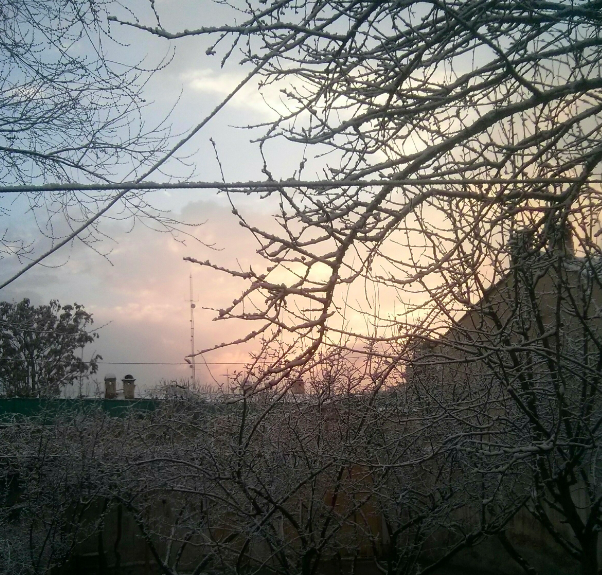
20160728_162008

It is hot. I sweat slowly.

Deciding to come back to Kabul has been difficult: from afar, the idea of gathering enough strength to face the journey is overwhelming, something that seems beyond actual capability.

But then, it only takes a second: the doors of the plane open and Kabul welcomes you with her typical heatwave, with that sultry air that smells of dust and that, for some obscure reason, makes you feel at home. It only takes a second and the city, with her inexplicable charm, absorbs you and makes you part of her again – seamlessly.

Kabul is always the same, yet this time everything seems different. There is a sense of tiredness that, for the first time in many years, is dramatically tangible. I spent the whole of last week adding names to the long list of those who have left the country. Those who can, leave: exhausted by war and the lack of a horizon. In a country without a present like Afghanistan, this brain-drain is a death sentence for the future.

Yesterday a good friend, one of the most talented young artists in town, wrote me to say that he hopes to come and show me his new drawings soon. He went on updating me about the fact that he was not entirely happy with the progress of his work: for several months he could not draw as he ran out of paper. Luckily, he added, he had gone on a trip to Pakistan with his family and hence could buy more paper and resume drawing. The matter of fact tone with which he wrote stayed with me: there was no resentment. This is how things are here, it is normal not to have paper and not to be able to draw: there’s not much else to add.

It is from this lack of paper that I should probably re-start as well.

My new office is in the greenhouse of one of the most beautiful old buildings in Kabul: it stayed surprisingly intact despite decades of bombs. In Dari, the greenhouse is called gulkhana, the flowers’ house. At this time of the year, its heat is unbearable, but I specifically asked to sit there: I thought it would be a beautiful starting point. My desk is surrounded by windows and flooded with light: it is torrid in this season, but it carries the promise of a gentle warmth during the long winter. I look around and I am happy about the choice I made. It makes sense to be here: it makes sense to be here now. It makes sense, but I wonder how to feed the determination to keep going with what may somehow seem an ungrateful task: to work towards the future with no guarantee of immediate results in the present. The promise and the vision of a broader perspective that goes beyond contingencies is certainly a source of motivation, but finding the root of that motivation in the little everyday steps is another matter. I hope I’ll stay lucid enough to be able to keep reminding it to myself.

The windows of he gulkhana face the garden, which is never barren as it has been designed around the cycle of seasons, around the tireless, round pace of time: simple, unpretentious wisdom that has a lot to teach.

This post was published on The News on the 26th of July 2016.

Unknown's avatar

Gulkhana

20160728_162008

Quella di tornare a Kabul è stata una decisione difficile: da lontano, l’idea di mettere insieme abbastanza forze per affrontare il viaggio sembra un’impresa titanica, ben al di là di quanto si possa essere in grado di fare. E poi basta un attimo, le porte dell’aereo si aprono e Kabul ti accoglie con quella sua tipica ondata di calore, con quell’aria torrida dall’odore di polvere che per qualche oscura ragione ti fa sentire a casa. Basta un attimo e la città, col suo fascino inspiegabile, ti riassorbe e tu sei di nuovo parte di lei come se non ci fosse mai stata interruzione.

Kabul è sempre la stessa, eppure stavolta è tutto diverso. C’è un senso di fatica che per la prima volta, dopo tanti anni, è drammaticamente tangibile. Ho passato la scorsa settimana ad aggiungere nomi alla lunga lista di quelli che hanno lasciato il paese. Chi può se ne va, sfinito dalla guerra e dalla mancanza di orizzonte. In un paese senza presente come l’Afghanistan, la fuga di cervelli rischia di diventare la condanna a morte per il futuro.

Ieri un mio caro amico, uno dei più promettenti giovani artisti in città, mi ha scritto dicendo che spera di venire a trovarmi presto per mostrarmi i suoi nuovi disegni e nel frattempo mi aggiornava del fatto che non era soddisfatto dei suoi progressi: per vari mesi infatti non ha potuto disegnare perché non aveva più carta. Per fortuna, mi ha scritto, è andato in Pakistan con la famiglia e ha potuto comprare altra carta – e quindi ha ricominciato a disegnare. Non riesco a togliermi dalla testa il tono senza rabbia e senza rivendicazione con cui mi ha scritto: qui è così, è normale non avere la carta e non poter disegnare, c’è poco altro da aggiungere.

E’ da questa mancanza di carta che anche io devo ricominciare.

Il mio nuovo ufficio è nella serra di uno dei più bei palazzi di Kabul, sorprendentemente sopravvissuto a decenni di bombe di varia provenienza. Qui chiamano la serra gulkhana, la casa dei fiori – in questo periodo dell’anno il caldo è insopportabile, ma ho chiesto io di sedermi lì, mi sembrava un bel punto di partenza. La mia scrivania è circondata dalle finestre e inondata dal sole: torrida in questa stagione, ma con la promessa di un tepore gentile durante il lungo inverno. Mi guardo intorno e sono felice della scelta che ho fatto – ha senso essere qui; ha senso essere qui ora. Ha senso, ma mi domando come alimentare la determinazione per andare avanti con un compito che in qualche modo è “ingrato”: lavorare per il futuro senza la garanzia di risultati immediati nel presente. La promessa e la visione di una prospettiva più ampia delle immediate contingenze è senz’altro una fonte di motivazione, ma trovare il senso di quella motivazione nei piccoli passi di ogni giorno è tutt’altra storia – spero di avere sufficiente lucidità per continuare a ricordarlo a me stessa.

Le finestre della gulkhana affacciano sul giardino, mai spoglio perché costruito intorno al ciclo delle stagioni, all’instancabile andare circolare del tempo: saggezza semplice e senza pretese che ha molto da insegnare.

Unknown's avatar

Learning to read

I have been studying Dari for a year now and I finally reached a functional level that allows me to ask to change the dynamo of the generator, check with the plumber that the sewage finally works properly and converse with taxi drivers – mostly about God and religion, conversations that – beyond the language barrier, often leave me with questions that I am not capable to answer.

I have learnt the alphabet since the very beginning, but it has only need a week since I started reading out loud.

It made me feel like a little girl again and Sister Fidalma came to mind – she was the incredibly old nun who gave me reading tuitions when I was in school. When I was little, it took me a very long time before I learnt to read properly. My first oculist got my prescriptions wrong and, despite huge baby-pink specs, I could hardly see anything and the letters on the page would hopelessly blur.

It is funny to think now that my first active relationship with books was one of effort and frustration and it makes me happy to look back and see how much things have changed.

Learning to read as an adult is turning into a funding moment in my personal development. It is a humbling experience where I have to look at myself and my limits without filters or excuses: there is no bluff and there is no hiding. Reading out loud a syllable after the other is embarrassing – I have the impression to blush every time I finish reading a word; making banal mistakes is frustrating, but reaching the end of a sentence – exhausted after barely five words – is a priceless and unforgettable pleasure.

Sayed, my fantastic teacher, has found the right balance with me: he pulls my leg and encourages me at the same time, he helps me laugh at my efforts and not to take myself too seriously.

There is so much that we take as a given, we hardly question our abilities and all those things we believe we are entitled to.

Starting from scratch again is reminding me of the importance of humility, of the satisfaction of small steps, and of the genuine joy of simple achievements.

Unknown's avatar

Imparare a leggere

Studio il Dari ormai da un anno, sono arrivata ad un livello tale per cui posso chiedere di cambiare la dinamo del generatore, verificare che l’idraulico abbia riparato la fogna per bene e conversare con i tassisti – spesso di Dio e di questioni religiose a cui difficilmente riesco a dare risposta.

Sin dall’inizio ho imparato l’alfabeto, ma è solo da una settimana che ho cominciato a fare esercizi di lettura ad alta voce.

Mi sono sentita di nuovo una ragazzina e mi è tornata in mente Suor Fidalma, la suora vecchissima che mi dava ripetizione di lettura. Da piccina, mi ci è voluto tantissimo tempo per imparare a leggere. Il mio primo oculista aveva sbagliato la prescrizione delle lenti e nonostante avessi dei giganteschi occhiali rosa confetto, fondamentalmente non vedevo un granché e le lettere sulla pagina si confondevano.

Strano pensare come il mio primo rapporto attivo con i libri sia stato caratterizzato dalla fatica e dalla frustrazione, ed è bello guardarsi indietro e vedere quante cose siano cambiate.

Imparare a leggere da adulta si sta rivelando un’esperienza fondamentale nella mia formazione personale. E’ un confronto con me stessa e con i miei limiti: c’è poco da bluffare e non ci sono sconti. Sillabare ad alta voce è imbarazzante – ho l’impressione di arrossire ogni volta che leggo una parola – fare errori banali è frustrante, ma arrivare in fondo alla prima riga, stanchissima dopo cinque parole, è un’esperienza assolutamente indimenticabile. Sayed, il mio fantastico maestro, ha trovato la giusta misura: mi prende in giro e mi incoraggia, mi aiuta a ridere delle mie difficoltà e a non prendermi troppo sul serio.

Si dà così tanto per scontato, su noi stessi sulle nostre capacità e su quello che ci sembra ci sia dovuto. Ricominciare da zero, mi sta ricordando l’importanza dell’umiltà, la soddisfazione dei piccoli passi e la gioia genuina dei traguardi semplici.

Unknown's avatar

The Pain of Others

I wrote this bulletin a while ago, after coming back from a trip to Kashmir. I think it sums up the how and why I do what I do.

***

Srinagar_01

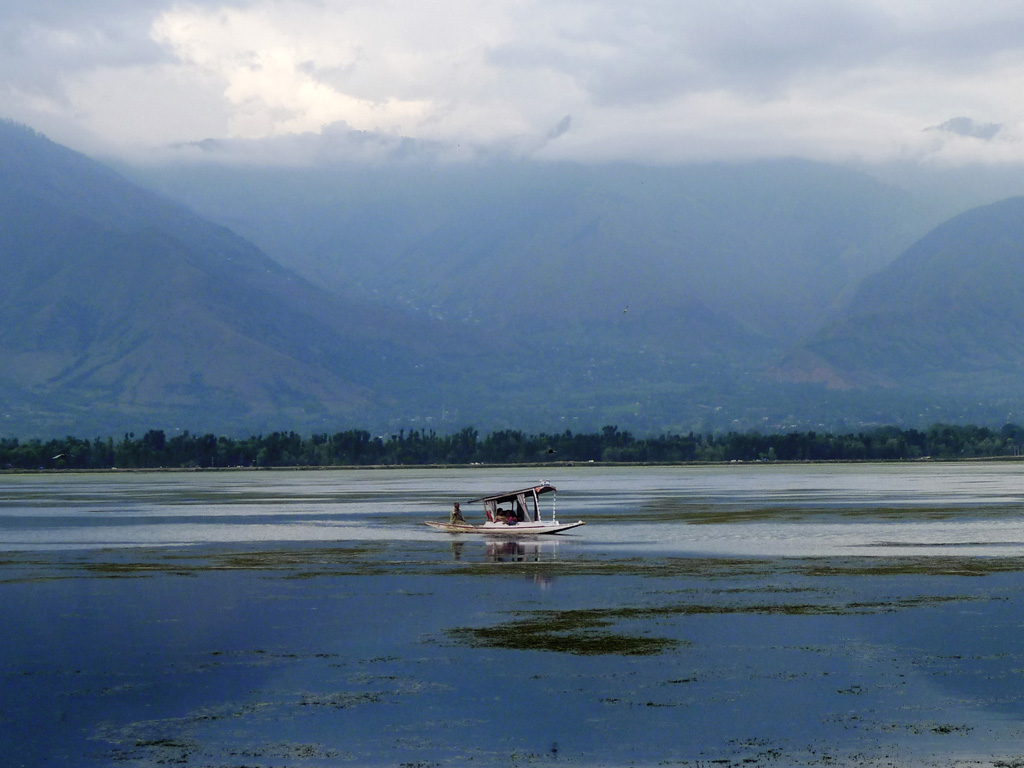
I have come back from Srinagar a week ago and the voices and details of the city are still vividly present in my memory. The Dal lake, the snow-capped mountains, the windstorm that shook my last night in the city and got mingled with the lamenting voices of women praying to fight their fear.

Srinagar is not leaving me, I would like perhaps some distance, but it has decided to stay with me. The Kashmir of the almost forgotten conflict has crept under my skin.

Agha Shahid Ali, the poet who more than anyone else gave voice to the unique mixture of beauty and brutality that seems to be the essence of the Valley, has been my guide. I have looked at his Valley through the lens of his words. And Srinagar inevitably became also for me the city of daughters: where almost every man has a police record – if not as a suspect, as a spy: it seems, in fact, that there are some 170 thousand spies for a population of 10 million people – and where women make life go on, in silence, away from indiscreet gazes and the clamours of public domain.

And so it is that also the apparent quiet that surrounds Srinagar, the renewed presence of tourists, the rhetoric of the regained stability acquire a new meaning through the verses of

Agha Shahid Ali, who quotes Tacitus: solitudinem faciunt, pacem appellant – they make a desolation and call it peace.

It is not the first time that I experience this kind of desolation. It hit me in Palestine, in refugee camps in Iraq and Tunisia, in the slums of Pakistan.

But it seems that this desolation has now come back to claim a long overdue credit.

Of years of stories that I listened to, collected and preserved in my memory. Of tales of lives and places that I visited, felt and shared through my writings.

How can I do justice to so much richness and pain?

How to give proper credit to those who tell you that they feel guilty to be happy when their country is under an oppression that seems to have no end?

How do to sail in this big sea? Where is the compass that leads the path so as to preserve a sensitive eye and yet avoid pitiful sympathy? How can one tell about the power of human dignity without risking the objectifying gaze of the anthropologist who looks for truths?

Questions multiply and answers seem to slip away.

Hitting the road is the only solution I know: the source of more questions that animate the quest for more answers.

The road and a desire for care, dedication and attention – in my words and politics – towards the people and places that have told and continue telling me these stories.

Unknown's avatar

Il dolore degli altri

Ho scritto questo bollettino qualche tempo fa, di ritorno da un viaggio in Kashmir. Racconta in qualche modo quello il perché e il come di quello che faccio.

***

Sono tornata da Srinagar da una settimana, ma le voci, le sfumature, i dettagli della città sono ancora presenti e vividi nella memoria. Il lago Dal, le montagne innevate all’orizzonte, la tempesta di vento che ha scosso la mia ultima notte in città inframmezzata dalle voci lamentose delle donne in preghiera per sconfiggere la paura.

Srinagar non mi lascia, forse vorrei una tregua e invece resta con me.

Il Kashmir del conflitto di cui non si parla mi si è infilato sotto la pelle.

Srinagar_01Agha Shahid Ali, il poeta che più di ogni altro ha dato voce alla mescolanza unica di bellezza e brutalità che sembra essere l’essenza del paese, mi ha fatto da guida: ho visto i suoi luoghi attraverso la lente delle sue parole e Srinagar è diventata inevitabilmente anche per me la città delle figlie, dove quasi tutti gli uomini sono schedati dalla polizia se non come sospettati allora come spie – sembrano ce ne siano cento settanta mila in un paese dove gli abitanti sono dieci milioni – e dove le donne portano avanti la vita, in silenzio, fuori dagli sguardi indiscreti e dai clamori della dimensione pubblica.

Ed è così che anche la calma apparente che avvolge Srinagar, la rinnovata presenza di turisti, la retorica della riconquistata stabilità prendono significato dai versi di Agha Shahid Ali, che cita Tacito: solitudinem faciunt, pacem appellant – portano desolazione e la chiamano pace.

Non è la prima volta che faccio esperienza di questa desolazione, mi ha colpito in Palestina, nei campi di sfollati in Iraq e in Tunisia, negli slum del Pakistan.

Ma sembra che questa volta sia tornata a chiedere il conto.

Di anni di storie ascoltate, raccolte e conservate nella memoria. Di vite raccontate, di posti visti, sentiti e condivisi attraverso le parole.

Come fare giustizia a tanta ricchezza e tanto dolore?

Come dare il giusto credito a chi ti dice che si sente in colpa ad essere felice quando il proprio paese è vittima di un’oppressione che non sembra avere via d’uscita?

Come si naviga in questo mare? Dove è la bussola che guida il mio percorso in modo da conservare la delicatezza dello sguardo ed evitare un morboso senso di pena? Come si racconta la potenza della dignità umana senza l’atteggiamento oggettivante di un antropologo a caccia di verità?

Le domande si moltiplicano e le risposte sembrano sfuggire.

La strada è l’unica soluzione che conosco: la fonte di altre domande che porta al desiderio di cercare altre risposte.

La strada e un desiderio di cura, di dedizione e di attenzione – nella politica e nelle parole – per le persone e i luoghi che mi hanno raccontato e continuano a raccontarmi queste storie.

Unknown's avatar

A year ago in Srinagar – A moment of beauty

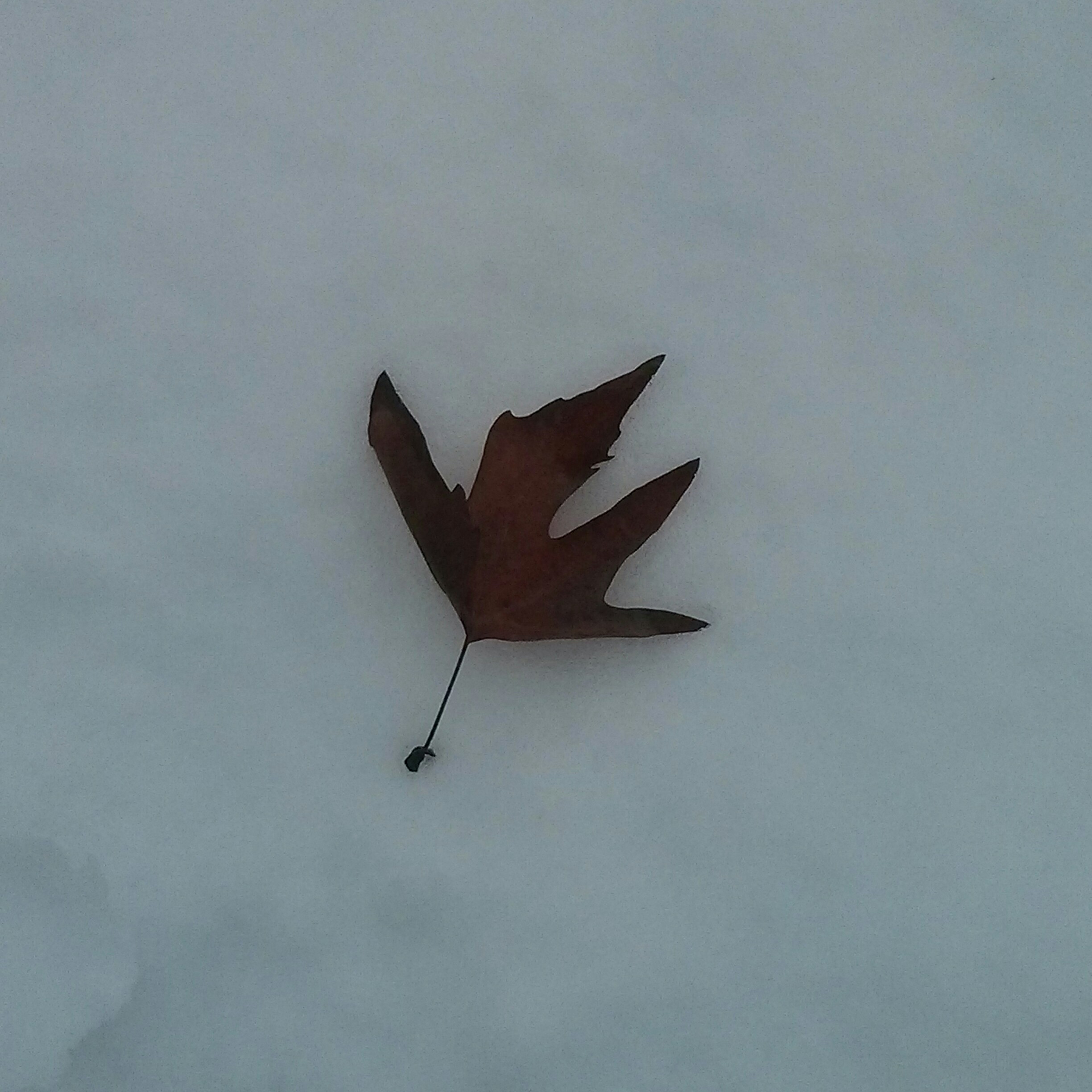
IMG_20140123_110450It started last night, around midnight, when we went out on a whim looking quite hopelessly for three cigarettes. We took the car and drove through the deserted city: the two of us, four cows and a bunch of scrawny stray dogs.

Rain mixed with snow started to fall – slowly, while the street dotted with potholes became a blurry mirror for the occasional lamp post.

Four men clad in their pheran drunk tea around the gas stove in the little kiosk by the hospital.

Without getting out of the car, we pulled the window down and asked: “Do you have cigarettes?”

One of the men shook his head without uttering a word.

We kept going, looking for another possible place.

“The snow will never stay”, I said almost thinking out loud. “The ground is too wet…”

“Let’s see”, he replied, concerned more with the lack of cigarettes than with the weather forecast.

When we woke up this morning, we were greeted by a city covered by more than twenty centimeters of soft snow.

“It is so peaceful”, I said with a smile.

Let’s hope it lasts”, he replied without adding anything else.

Meanwhile, the snow kept falling.

Fat flakes, too heavy to swirl in the wind. Flakes that fall with determination and stay in the exact place where they landed. Purposeful flakes that have no intention to stop.

In the garden, there is a twitchy tree that seems to carry with extreme patience the burden of time and of the temporary white cloak that covers it. On the streets, the ancient chinar trees resemble dervishes with tired arms lifted to the sky, made heavy by the weight of the snow and by the little birds that rest in the cold, perked at their edges.

Sounds are muffled, shape smoothened; the snow-clad landscape offers an unexpected sense of tranquillity. A silent inner comfort. And awe for this perfect yet transitory beauty.

I had not been back in Srinagar for more than a year and had started to miss it. I could not have wished for a better welcome.

Here, as much as in Kabul, these moments of beauty surprise me.

It is, however, a beauty that is as profound as it is deceiving.

Snow offers the momentary gift of relief and lightness even if it does not make tanks, coils of concertina wire and check-point barriers less frightening.

Unknown's avatar

Mountains, Mines and Memories: The Idea of Kurdistan

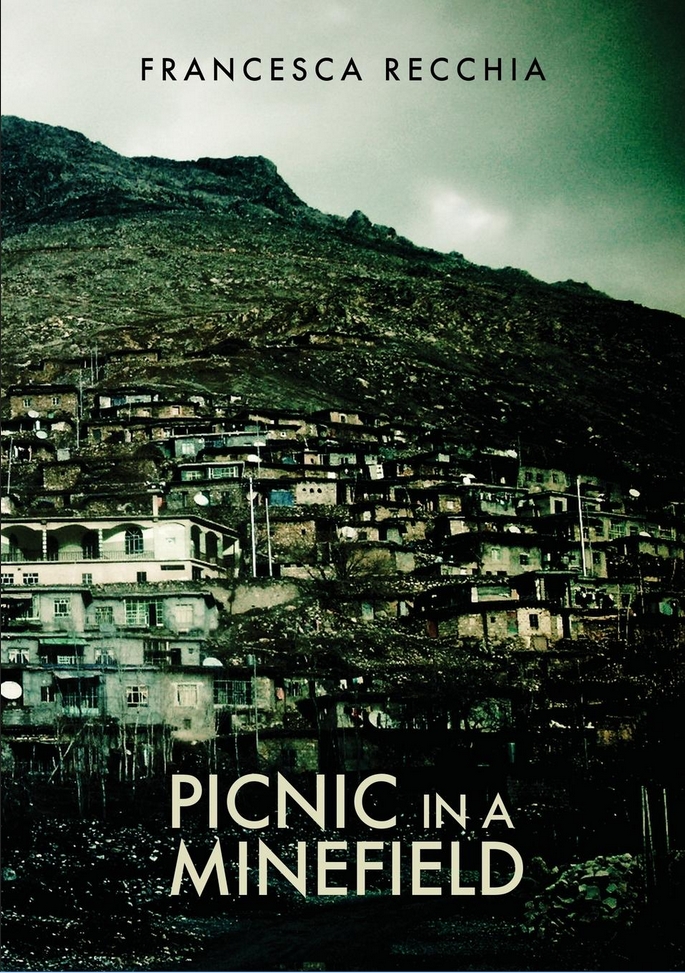
Ty Mayfield reviewed Picnic in a Minefield for War on the Rocks.picnic-cover

Here is a teaser:

Recchia is an Italian academic who left Europe for a position at the University of Kurdistan Hawler (UKH) in Erbil, Iraq in the hopes of expanding her professional horizons as an educator. In the course of two years, Recchia experiences life in many different circles. She transitions between guest, traveler, teacher, and mentor with an ease that disarms those who might stand in her way. It is from the unique perspectives of both her professional work at the UKH and her personal interactions with locals that Kurdistan is made real for the reader. Through Recchia’s travels, the soldiers, diplomats, journalists and humanitarian aid workers that usually narrate our collective Iraq experience, are illuminated for the reader from a new perspective. She reports their actions, thoughts and intentions in the insightful and articulate observations of a self-aware and humble narrator.

Recchia set out for Iraqi Kurdistan in search of herself. Along the way it is fair to say she found an entire group of people in search of themselves, their own identities, and perhaps, their own nation. These two arcs, one individual and one collective, intersect in Picnic in a Minefield and provide a compelling narrative that gives insight into the permanence of resistance, the pace of change, and the promise of a Kurdistan.
***
You can read the full review here.
Unknown's avatar

Enciclopedia delle Donne

Tempo fa, Malavika Velayanikal ha scritto di me per l’Enciclopedia delle Donne. Molto è cambiato, il viaggio si è allungato, ma parte della storia resta.

Photo Credit: Selvaprakash L.

Photo Credit: Selvaprakash L.

Francesca Recchia ha attraversato mezzo mondo, spinta dalla passione per la conoscenza. Forzando sia letteralmente che figurativamente molti confini, i suoi vagabondaggi l’hanno portata in posti insoliti e spesso pericolosi.
Francesca ha sempre infranto convenzioni e stereotipi – come quando, da adolescente, è stata la prima rappresentante d’istituto di sinistra, interrompendo la lunga tradizione politica di destra del liceo di Avezzano, in centro Italia; oppure quando, molti anni più tardi, ha fatto conoscere agli studenti della University of Kurdistan Hawler, in nord Iraq, le potenzialità del pensiero critico e di forme alternative di dialogo. Lascia il suo paese d’origine subito dopo gli anni “molto” politici del liceo. Non è stata solo la scelta di laurearsi in Conservazione dei Beni Culturali a spingerla a Venezia, dalla parte opposta dell’Italia; trasferirsi a Venezia è stato perciò per lei un modo di ricominciare da zero: «dove nessuno mi conosceva e io potevo davvero capire chi fossi e che cosa volessi». Questa è per lei una costante: «Mi sento sempre un po’ fuori posto, cerco continuamente cose diverse e finisco sempre per essere un po’ più fuori posto, ma un po’ più contenta di prima».
In ambito accademico la sua irrequietezza ha acquisito nel tempo significati diversi: non è mai stata capace di dedicarsi ad una sola disciplina, di studiare con un solo professore o in una sola università – «intellettualmente non sono monogama», dice.
Nei primi anni di università hanno cominciato a prendere forma le sue convinzioni intellettuali: l’idea che la conoscenza non sia unidirezionale e che l’intelligenza sia un prodotto collettivo, ha giocato nel tempo un ruolo importante. Un’idea potente che, in realtà, non molti accademici condividono. Per la tesi di laurea (1999) ha mescolato arte e sociologia, scrivendo sull’arte contemporanea e i suoi devianti: l’esplorazione della linea sottile fra il genio e la follia non ha raccolto il consenso di tutti i professori. La sua relatrice, Giuliana Chiaretti, è stata la sola a sostenerla e ad incoraggiare il suo approccio interdisciplinare.
Il Master in Studi Visivi al Goldsmiths College di Londra le ha cambiato la vita grazie all’incontro con Sarat Maharaj, un professore sudafricano di origini indiane.
Qui, ancora una volta, ha rotto gli schemi organizzando un gruppo di discussione alternativo aperto a tutti, in cui artisti e critici potevano incontrarsi, cosa fino a quel momento piuttosto rara. Francesca, in questa fase del suo percorso intellettuale, ha cominciato a mettere in discussione le dinamiche di produzione della conoscenza ed è così che gli Studi Postcoloniali e Subalterni hanno colpito la sua attenzione.
Quando Londra sembrava praticamente perfetta per lei, ha deciso di spostarsi di nuovo: l’Italia era nel bel mezzo della “fuga dei cervelli” e tornare le è sembrato un dovere morale.
Con una borsa di studio consegue il dottorato di ricerca in Letterature, Culture e Storie dei Paesi Anglofoni presso l’Università L’Orientale di Napoli. Dopo le ondate di migrazioni successive alla seconda guerra mondiale, l’idea di Europa è cambiata e il “noi” e gli “altri” hanno preso all’interno dei suoi confini una nuova forma.
Francesca ha subito il fascino della trasformazione di questa idea di alterità e ha deciso di scriverne per la sua tesi, utilizzando la città di Londra come caso studio.
Infrangere i muri dell’arroganza intellettuale non rende la vita semplice a nessuno, e così è stato anche per lei. Con i suoi professori di Napoli ha sempre avuto difficoltà ma “fortunatamente” Sarat Maharaj è tornato nella sua vita, invitandola a lavorare per Documenta 11, la prestigiosa mostra che segna ogni cinque anni i paradigmi dell’arte contemporanea. Da lì ha cominciato a lavorare con multiplicity, un gruppo interdisciplinare di ricerca con cui ha condiviso, dice: «l’interesse per come cambiano le città e per il modo in cui le persone e i luoghi interagiscono». A Documenta, il gruppo di cui faceva parte aveva un mantra – Sbatti contro il muro e impara ad abbracciare il tuo destino – questo è stato da allora un motto che ha continuato ad accompagnarla visto che l’unico modo in cui riesce ad imparare è sempre per la strada più difficile. Ha viaggiato con diversi gruppi di ricercatori trovando opportunità per fare lezioni, studiare ed esplorare posti quali il Pakistan, la Palestina, il Kashmir, l’Oman, la Tunisia oltre a diversi paesi europei, sempre esercitando la sua non comune abilità di interpretare patterns insoliti, di unire punti di disegni invisibili.
«Mi ha insegnato l’umiltà intellettuale e la consapevolezza che la curiosità non ha mai fine!», dice di lei Sir Peter Hall, uno dei padri fondatori dell’urbanistica europea. Con lui Francesca ha completato il post-dottorato alla Bartlett School of Planning della University College of London.
Grazie alla collaborazione nel 2008 con TU Delft, in Olanda, con il gruppo Urban Body – che si interessa di sviluppo urbano mettendo al centro della prospettiva di ricerca il corpo umano – Francesca Recchia è arrivata a Bombay, in India, dopo analoghe esperienze a Pechino e Madrid.
«Credo che l’intelligenza e la conoscenza siano processi condivisi, le mie lezioni non sono quasi mai frontali, ma fondate sulla discussione».
Lezioni e conferenze nel tempo l’hanno portata a Venezia, Milano, Delft, in India, in Pakistan, in Palestina… Francesca ha sempre pensato all’insegnamento come ad un’attività politica – un’azione politica intesa nel senso della possibilità di produrre cambiamento anche se fino a quel momento la sua esperienza sembrava mettere in discussione le sue idee: «Ero a disagio, mi sembrava di essere pagata per prestare un servizio.» Per lei, insegnare l’importanza del pensiero critico, del dialogo, della discussione, dell’apprendimento democratico è sempre stato tanto rilevante quanto trasmettere i contenuti.
Il Kurdistan iracheno è in una fase di transizione verso la democrazia e la missione della University of Kurdistan Hawler è quella di combinare tradizioni locali e pensiero contemporaneo: cercavano un docente di sociologia urbana e a Francesca Recchia questa è sembrata una occasione perfetta: l’esperienza di quei due anni sta diventando un libro che testimonia la ricchezza di quell’incontro.
Francesca è tornata in India a luglio del 2010 dove ha lavorato per un periodo alla trasformazione radicale di un villaggio rurale prima di rimettersi di nuovo in viaggio. Il mondo è lì che chiama e lei è sempre pronta a rispondere.